
May 27, 2026
Your roof plays a major role in protecting your home from changing weather conditions, moisture, and everyday wear. While many homeowners only think about roofing when a leak appears, long-term roof performance depends on consistent care, professional installation, and attention to detail over time. A qualified residential roofer can help identify concerns early, recommend suitable materials, and perform services that help your roofing system remain dependable for years.
Roof performance affects more than just the appearance of a home. It can influence indoor comfort, energy efficiency, structural stability, and peace of mind. Working with experienced professionals allows homeowners to make informed decisions that support the condition and reliability of their roofing systems.
Identifying Roofing Problems Early
One of the most valuable ways a residential roofer supports long-term roof performance is by recognizing issues before they become major concerns. Roofing systems are exposed to wind, rain, heat, and debris throughout the year, and even minor damage can gradually worsen if it is overlooked.
Professional roof inspections help uncover missing shingles, weakened flashing, moisture intrusion, and areas of deterioration that may not be visible from the ground. Addressing these concerns promptly can help preserve the integrity of the roofing system and reduce the likelihood of more extensive damage developing later.
A residential roofer understands how roofing components work together and can determine whether certain areas require repair, reinforcement, or replacement. This professional assessment helps homeowners maintain confidence in the condition of their roofs while supporting long-term durability.
Selecting Materials That Support Durability
Roofing materials have a direct impact on how well a roof performs over time. Different homes, climates, and architectural styles may require different roofing solutions, and a residential roofer can guide homeowners toward materials that align with their needs and goals.
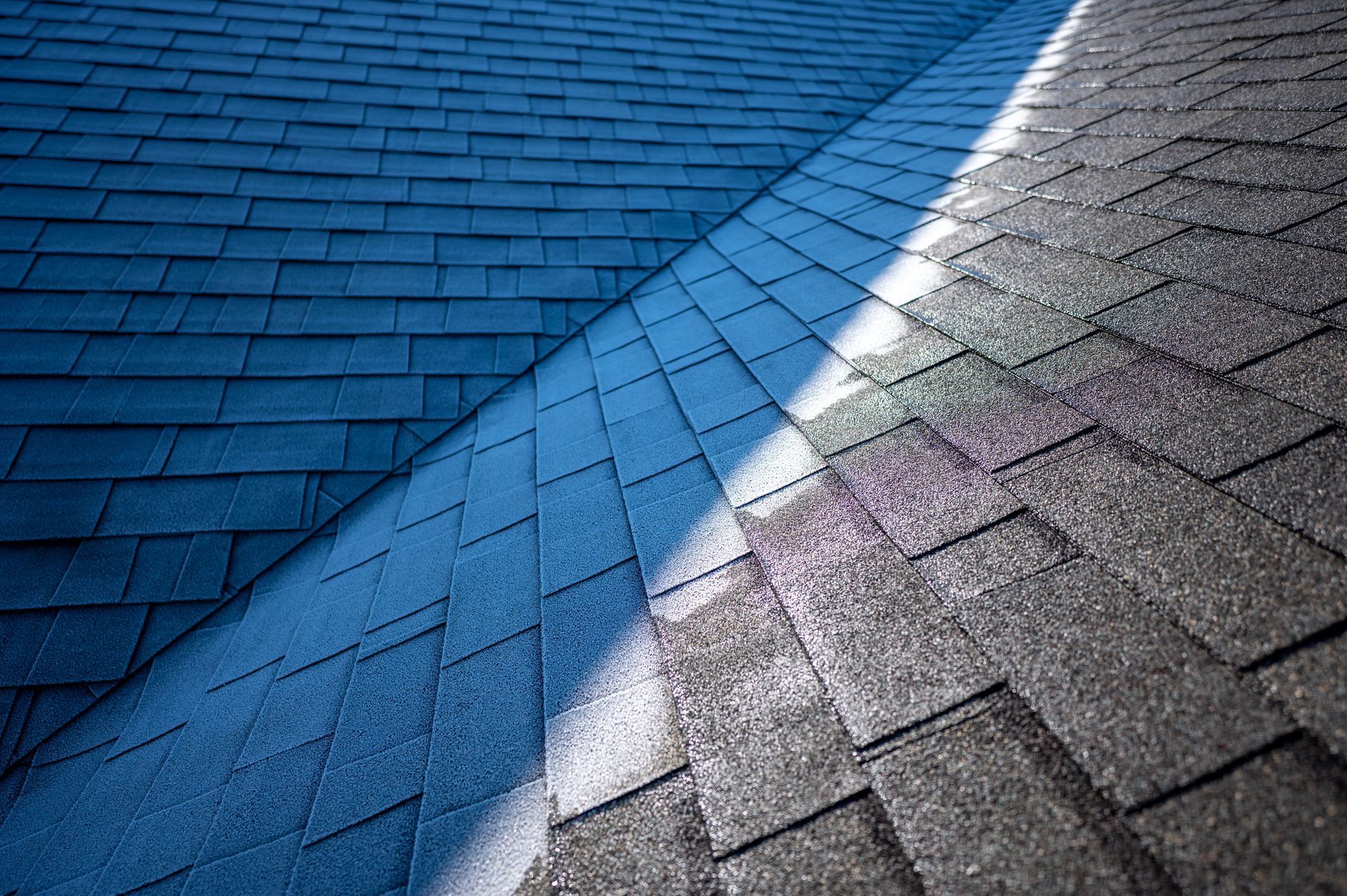
According to RubyHome, approximately 80% of residential roofing projects rely on asphalt shingles as the primary roofing material. Asphalt shingles remain popular because they provide durability, versatility, and broad design compatibility for many residential properties.
A residential roofer can explain the benefits of different material options while considering ventilation, drainage, weather exposure, and curb appeal. Proper material selection contributes to a roofing system that can better withstand environmental stress while maintaining its appearance and functionality.
Professional guidance also helps homeowners avoid products that may not perform well under local weather conditions. Choosing suitable materials from the beginning can support stronger long-term results and fewer future complications.
Improving Ventilation Throughout the Roof System
Ventilation is an important factor in roof performance that homeowners may not always notice immediately. Poor airflow within the attic can contribute to trapped heat, excess moisture, and premature wear on roofing materials. Over time, inadequate ventilation may negatively affect the lifespan of the entire roofing system.
A residential roofer evaluates how air moves through the roof and attic space to identify areas where ventilation improvements may be necessary. Balanced airflow can help regulate temperatures and reduce moisture accumulation that may contribute to mold, wood deterioration, or insulation problems.
Proper ventilation also supports energy efficiency by helping indoor temperatures remain more stable throughout changing seasons. When roofing systems can effectively release heat and moisture, materials are often better protected from unnecessary strain.
Professional ventilation improvements can strengthen the overall performance of the roof while helping homeowners avoid hidden issues that may otherwise develop over time.
Maintaining Flashing and Drainage Components
Roof performance depends on more than shingles alone. Flashing, gutters, valleys, and drainage pathways all contribute to how effectively water moves away from the home. If these components become damaged or obstructed, moisture can begin affecting vulnerable areas of the roof.
A residential roofer helps maintain these critical elements by inspecting seals, securing flashing, and ensuring drainage systems function properly. Water that cannot flow away from the roof efficiently may collect around penetrations, edges, or low points, increasing the risk of leaks and structural damage.
Professional maintenance supports proper water management during storms and seasonal weather changes. By keeping drainage pathways clear and roofing connections secure, homeowners can help protect their roofs from long-term moisture-related deterioration.
Roofers can also identify warning signs that indicate water has already begun affecting underlying materials. Early intervention often prevents more extensive repairs while preserving the strength of the roofing system.
Supporting Energy Efficiency Inside the Home
A well-maintained roof contributes to better indoor comfort and energy performance. Roofing systems that are damaged, poorly ventilated, or aging may allow heat transfer and air loss that place additional strain on heating and cooling systems.
A residential roofer can recommend improvements that help the roof perform more efficiently while supporting a more comfortable indoor environment. Proper insulation support, ventilation adjustments, and roofing material upgrades can all influence how effectively a home regulates temperature.
When roofing systems function properly, homeowners may experience improved comfort throughout changing weather conditions. Reducing unnecessary heat buildup or moisture intrusion can also help protect other parts of the home from long-term wear.
Energy efficiency improvements are often closely connected to roof health. Professional roofing services help ensure the roofing system continues supporting the home’s overall performance instead of contributing to avoidable inefficiencies.
Extending the Lifespan of Roofing Materials
Consistent professional care can help roofing materials remain in better condition for a longer period of time. Roofing systems naturally experience wear due to weather exposure, temperature changes, debris accumulation, and aging. However, regular inspections and maintenance help reduce the impact of these stressors.
A residential roofer can perform targeted repairs, replace damaged materials, and reinforce vulnerable areas before deterioration spreads. These services help preserve the overall condition of the roof and may reduce the likelihood of premature replacement.
Long-term roof performance often depends on proactive care rather than reactive repairs. Small concerns that are addressed early are generally easier to manage than widespread damage that develops gradually over time.
Professional roofing support also helps homeowners understand the current condition of their roofs and plan appropriately for future maintenance or upgrades. This guidance creates a more reliable roofing strategy that supports lasting performance and structural protection.
Preserving Property Value and Curb Appeal
The condition of a roof significantly influences how a home looks and functions. A roof that appears damaged, uneven, or poorly maintained may affect curb appeal and potentially influence property value. In contrast, a well-maintained roofing system contributes to a cleaner, more attractive appearance.
A residential roofer helps homeowners preserve the visual appeal of their roofs while ensuring the structure continues performing effectively. Professional repairs and maintenance help roofing materials remain secure, aligned, and visually consistent over time.
In addition to appearance, prospective buyers often pay close attention to roof condition when evaluating a property. A roofing system that has been professionally maintained may provide greater confidence regarding the home’s overall upkeep.
Long-term roof performance supports both functional reliability and aesthetic value. Maintaining the roof through professional services helps homeowners protect an important part of their investment while promoting lasting curb appeal.
A strong roofing system plays an essential role in protecting a home, improving comfort, and supporting long-term structural performance. From identifying early signs of damage to improving ventilation and preserving drainage systems, a residential roofer provides services that help roofing systems remain dependable throughout changing conditions.
Professional care allows homeowners to address concerns proactively while making informed decisions about maintenance, repairs, and material selection. Long-term roof performance is often the result of consistent attention and experienced workmanship that supports the health of the entire roofing system.
If you want reliable roofing support that helps protect your home for the future, our team at Holt Roofing Company, Inc. is ready to help. We provide professional roofing services focused on durability, performance, and long-term protection, so we can help keep your roof in strong condition for years to come.