
October 8, 2026
Roofing plays a pivotal role in safeguarding homes against extreme weather conditions. Asphalt shingle roofs stand out due to their blend of affordability, durability, and aesthetic appeal. According to RubyHome, approximately 80% of residential roofing projects utilize asphalt shingles as their primary material. This widespread use underscores their importance as a protective barrier, but understanding how well they perform under severe conditions is essential for long-term home maintenance.
Evaluating Performance Across Environmental Challenges
Extreme weather patterns are becoming increasingly common, making the need for robust roofing solutions pressing. Understanding the strengths and limitations of asphalt shingles helps homeowners make informed decisions about their property. This article delves into how asphalt shingles perform across various environmental challenges, including heavy rain, strong winds, intense heat, and hail, and highlights how proper installation and maintenance maximize their lifespan.
Reviewing Asphalt Shingle Roofing Systems
Composition and Engineering of Asphalt Shingles
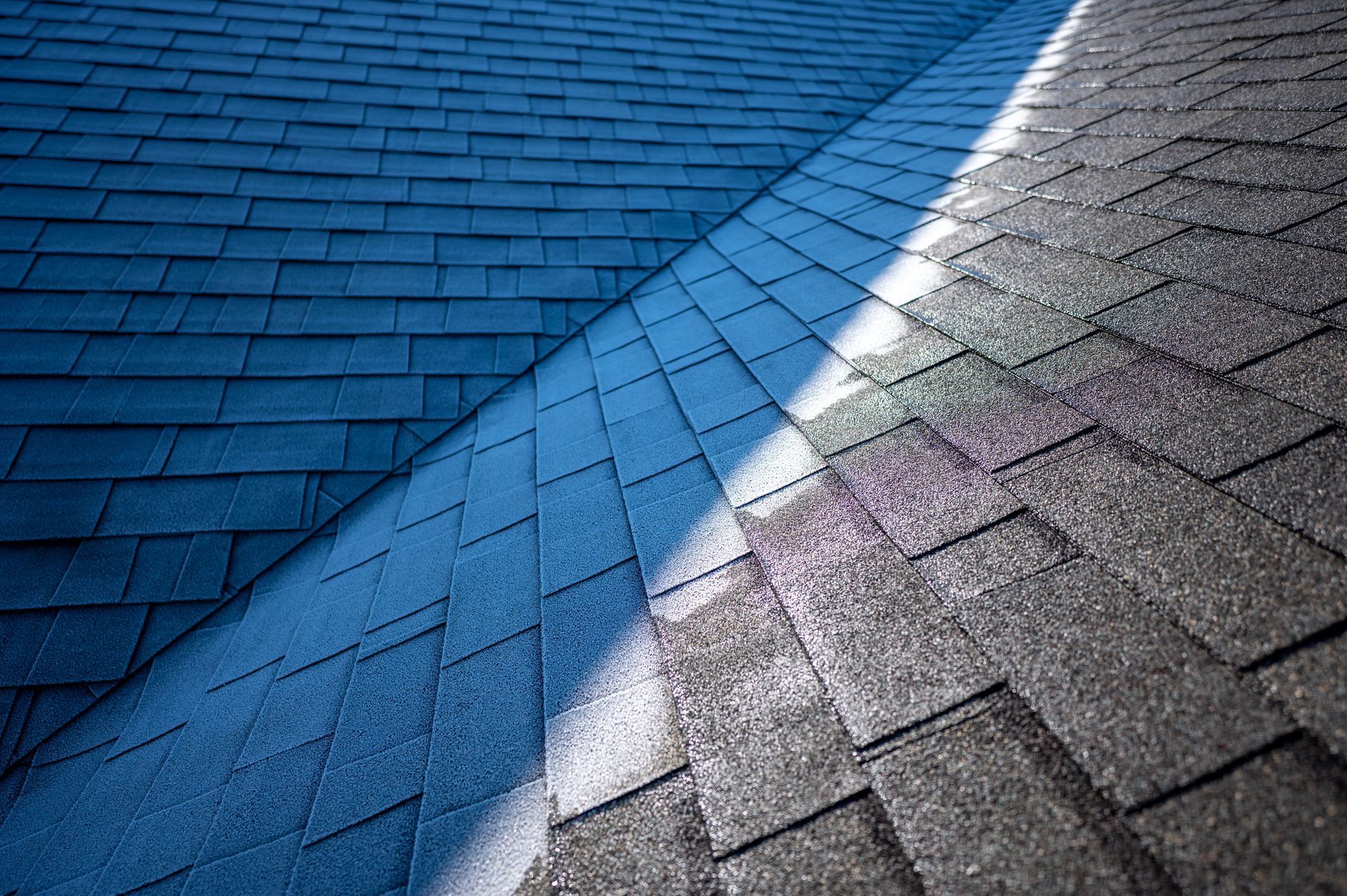
Asphalt shingles consist of a fiberglass or organic base coated with asphalt to create a waterproof barrier. The outer surface features embedded ceramic granules that reflect sunlight and reduce heat absorption. This layered construction provides durability, sealing out moisture while resisting UV radiation. Over time, these granules gradually wear down, which is why periodic checks by residential roofing companies are essential to monitor roof health and prevent early deterioration.
Market Dominance and Economic Value
Their combination of cost-effectiveness and durability makes asphalt shingles the most popular roofing option in North America. Beyond affordability, shingles complement virtually any architectural style. Their market dominance has driven substantial manufacturer investment into research and development, yielding innovations like improved impact resistance, higher wind ratings, and enhanced eco-friendly recycling options.
Main Types of Asphalt Shingles
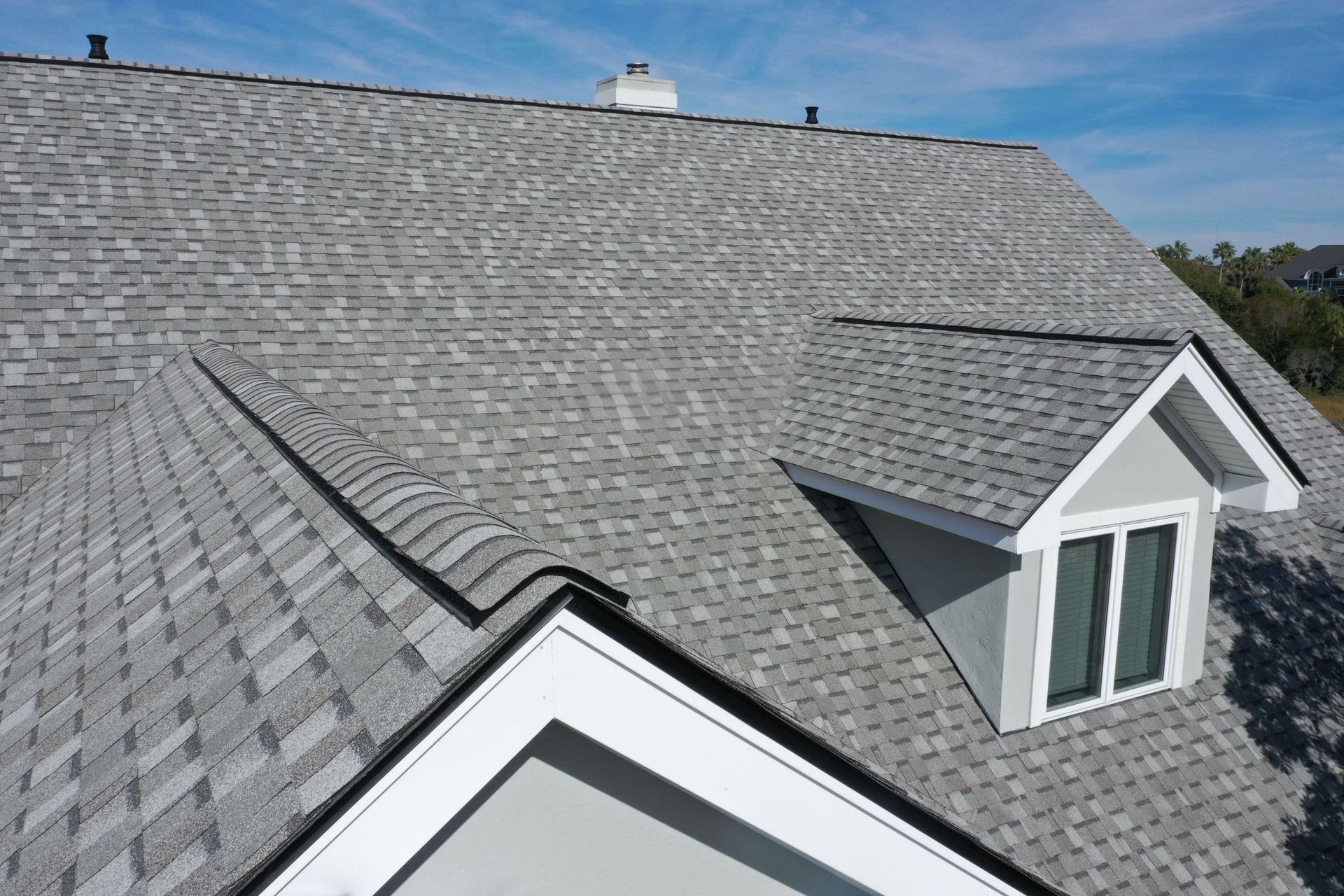
Homeowners can choose among three main asphalt shingle designs depending on their budget and climate needs. Traditional three-tab shingles offer a flat profile and budget-friendly protection for areas with mild weather. Architectural shingles feature a thicker, multi-layered construction that provides dimensional depth along with superior resistance to wind and impact. For a premium look, luxury shingles offer heavyweight protection while mimicking the classic aesthetic of natural slate or cedar shake.
Core Advantages for Homeowners
Asphalt shingles remain a top choice for several key reasons, beginning with exceptional cost-efficiency compared to tile, metal, or slate. Their straightforward installation process keeps labor expenses manageable, while extensive color palettes allow them to fit any residential design. Additionally, modern reflective granules enhance energy efficiency by reducing solar heat gain to help lower summer cooling bills.
Resisting Heavy Rain and Moisture Intrusion
Water-Resistant Properties of Asphalt Coatings
Asphalt shingles excel in wet environments thanks to their hydrophobic asphalt layer and granular coating, which channels water directly into gutters. When properly layered over quality underlayment, shingles create an overlapping barrier that prevents water pooling and shields the wooden decking beneath during heavy downpours.
Potential Vulnerabilities to Leakage
Despite their water resistance, leaks can occur if installation or upkeep is flawed. Common vulnerabilities include damaged flashing, compromised underlayment, or missing shingles. Older roofs losing granule density become more permeable over time. Partnering with professional residential roofing companies for routine inspections ensures these vulnerabilities are caught before water penetrates the interior structure.
The Role of Precision Installation
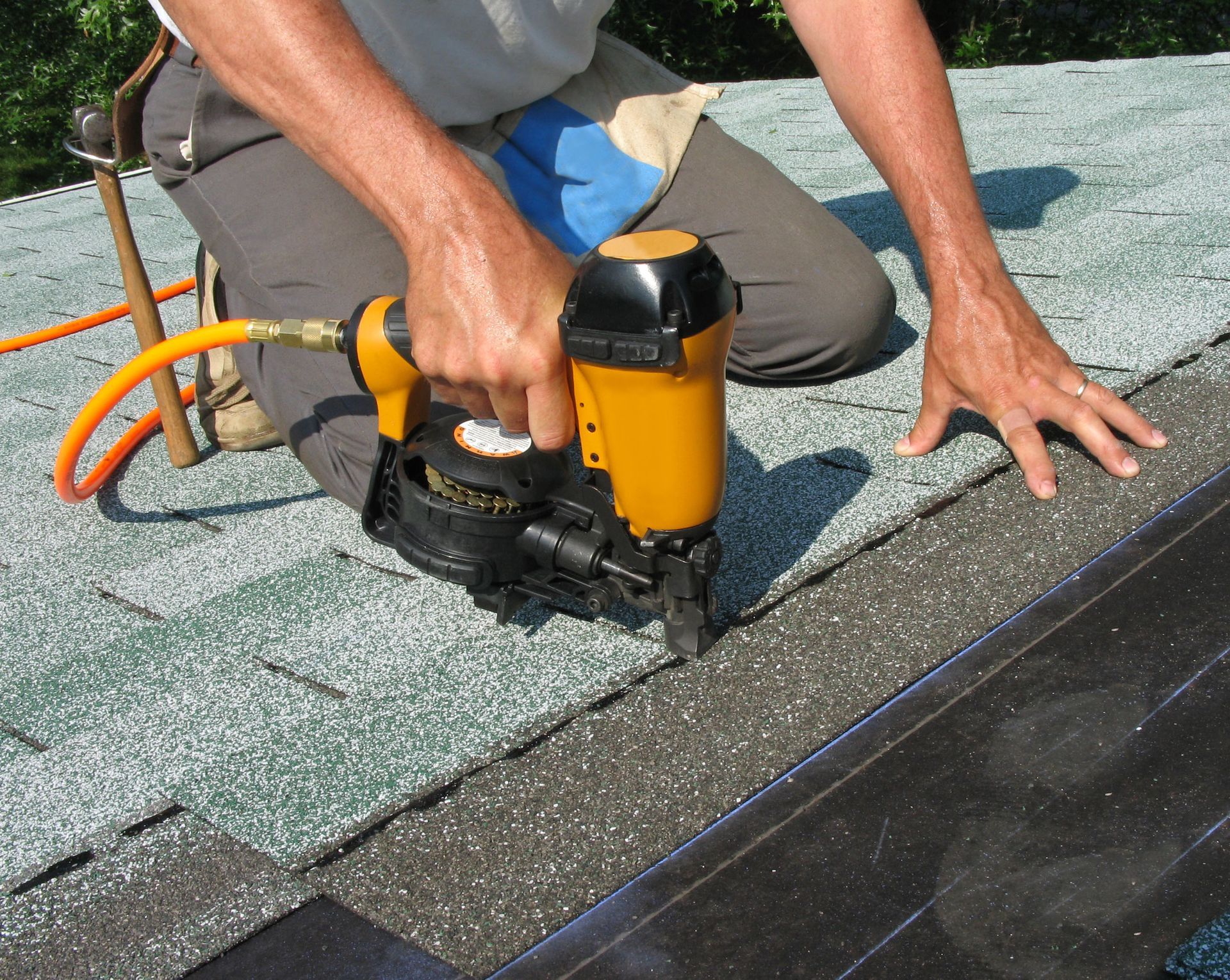
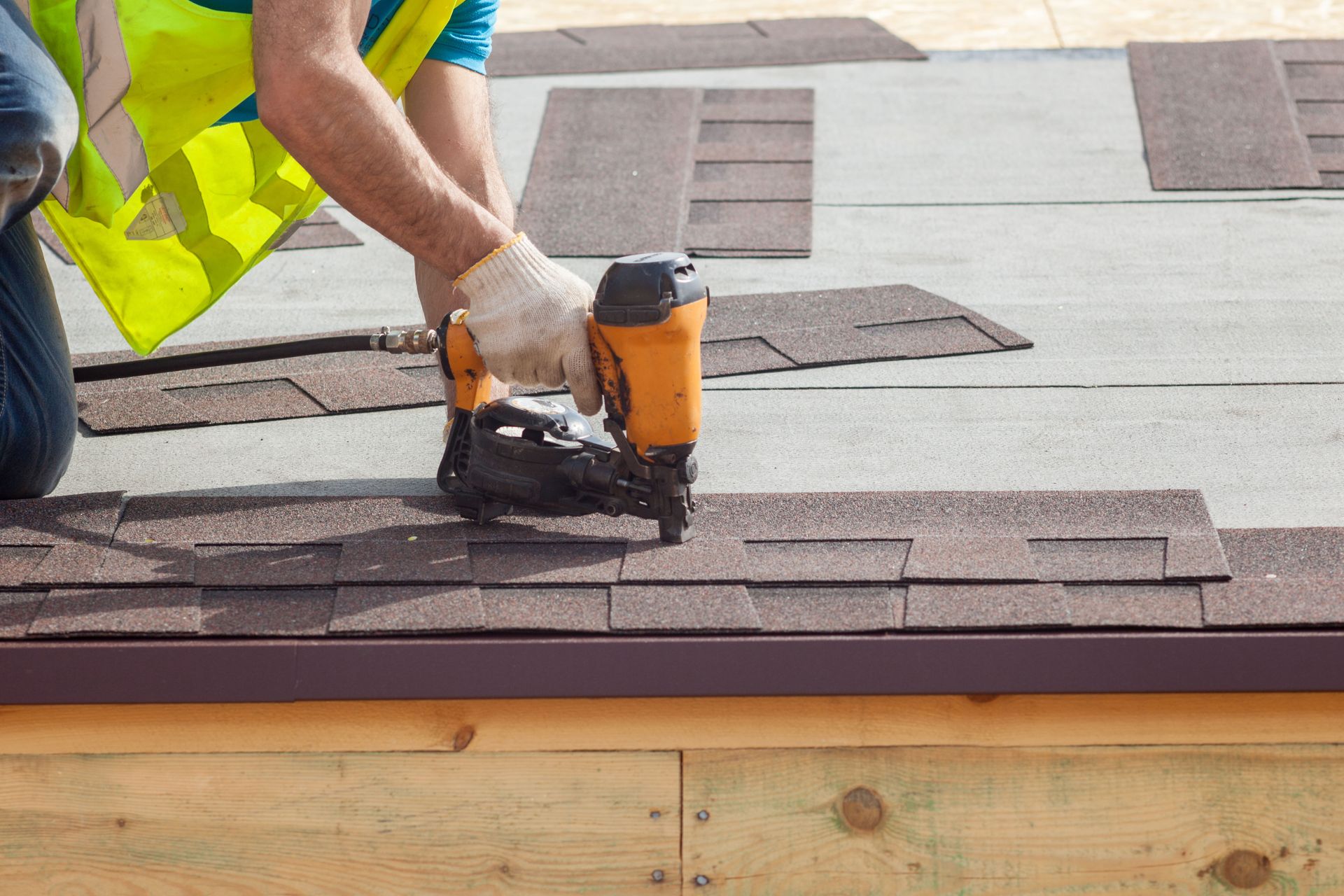
Proper installation serves as the primary line of defense against rain damage. Expert installers follow precise guidelines for shingle alignment, overlap, and fastener placement. Inadequate overlap or misaligned nails leave entry points for water, underscoring why hiring experienced residential roofing companies is vital for long-term leak protection.
Maintenance Practices for Rain-Prone Regions
Homeowners in damp climates can safeguard their roofs through several proactive maintenance practices. Inspecting shingles biannually, specifically before and after severe storm seasons, helps catch minor issues early. Property owners should also clear accumulated leaves, moss, and debris that trap moisture, keep gutters and downspouts clear to maintain proper drainage, and apply specialized roof sealants along high-vulnerability flashings.
Long-Term Impact of Moisture Management
Moisture control directly affects roof longevity. A well-installed and properly ventilated asphalt shingle roof exposed to frequent rain can easily last 20 to 30 years, according to our experts. Conversely, neglected moisture issues lead to decking rot, mold growth, and premature roof failure.
Withstanding High Winds and Severe Storms
Features for Wind Resistance
Modern shingles incorporate features specifically built to combat wind uplift. Heat-activated thermal sealant strips bond shingle courses tightly together once exposed to the sun. Furthermore, reinforced nailing zones with specially woven fabric prevent fasteners from pulling through during severe gusts, while heavyweight architectural construction adds necessary mass to resist edge lifting.
Wind Ratings and Warranties
Shingles receive wind performance ratings based on standardized laboratory testing. Selecting the right rating depends heavily on local storm risks. Reputable residential roofing companies guide homeowners toward wind-rated shingles that meet or exceed regional building codes.
Common Types of Wind Damage
Wind damages roofs in several distinct ways, starting with edge uplift, where high-velocity gusts catch vulnerable outer edges and peel shingles upward. Strong wind forces can also cause tab creasing by bending unsealed shingles until the internal fiberglass mat fractures. In extreme scenarios, improperly nailed shingles can tear away entirely, leaving the underlying structure exposed.
Post-Storm Inspection Guidelines
Following major windstorms, homeowners should perform a safety-first ground inspection. Look for missing shingles, creased tabs, or granule piles near downspouts. If storm damage is visible, calling qualified residential roofing companies to make prompt repairs prevents secondary water damage.
Managing Extreme Heat and Solar Radiation
Thermal Degradation and UV Radiation
Prolonged solar exposure poses a continuous threat to roof longevity. Intense UV rays cause asphalt oils to dry out, making shingles brittle, prone to cracking, and susceptible to curling at the edges over time.
The Function of Reflective Cool Roof Granules
To combat thermal aging, manufacturers incorporate specialized cool-roof granules. These granules reflect solar radiation back into the atmosphere rather than absorbing it into the structure, extending shingle life and reducing household cooling demands during hot summers.
Thermal Shock and Expansion Mitigation
Roofs undergo thermal shock when exposed to rapid temperature shifts, such as a sudden summer thunderstorm after hours of blistering heat. These thermal expansion and contraction stresses shingle mats. High-quality asphalt formulas retain flexibility to absorb these movements without cracking.
Attic Ventilation and Heat Dissipation
A cool roof relies heavily on proper attic ventilation. Ridge vents, soffit vents, and intake baffles work together to circulate air, preventing trapped attic heat from baking shingles from underneath. Balanced ventilation preserves the shingle foundation and reduces indoor energy costs.
Enduring Cold Weather, Snow, and Hail
Cold-Weather Flexibility and Brittleness
Freezing temperatures cause asphalt materials to stiffen. In extreme cold, shingles become brittle, making proper winter installation challenging and increasing the risk of cracking under physical impact.
Prevention of Ice Dam Formation
Ice dams form when heat escaping a poorly insulated attic melts roof snow, which then refreezes at the cold eaves. This ice wall blocks drainage, forcing backed-up water underneath shingles. Effective attic insulation and continuous ridge-to-soffit airflow prevent ice dams from forming.
Winter Maintenance and Snow Removal
Excessive snow loads place structural stress on roofs. Homeowners should use specialized roof rakes from ground level to clear heavy snow accumulation near eaves, preserving structural integrity while avoiding shingle damage.
When it is time to assess your roof or plan a replacement, partner with experienced professionals who understand local weather challenges. Contact Holt Roofing Company, Inc. today to schedule a comprehensive roof inspection with trusted residential roofing companies and ensure your home stays fully protected in any season.