
October 12, 2026
Roof leaks are one of the most frustrating challenges a homeowner can face. While a small drip or a faint ceiling stain might seem like an easy fix, water intrusion often signals deeper, systemic problems within your roofing system. Unchecked moisture can silently rot structural decking, compromise attic insulation, and create widespread internal damage long before it becomes visible in your living room. Navigating the choice between localized repairs and a total overhaul requires a clear understanding of how water travels through a roof structure. Knowing when a simple patch is enough and when a full replacement is necessary is essential for safeguarding your property's safety, structural integrity, and long-term financial value.
Recognizing Signs of Severe Roof Damage
Widespread Interior Water Stains
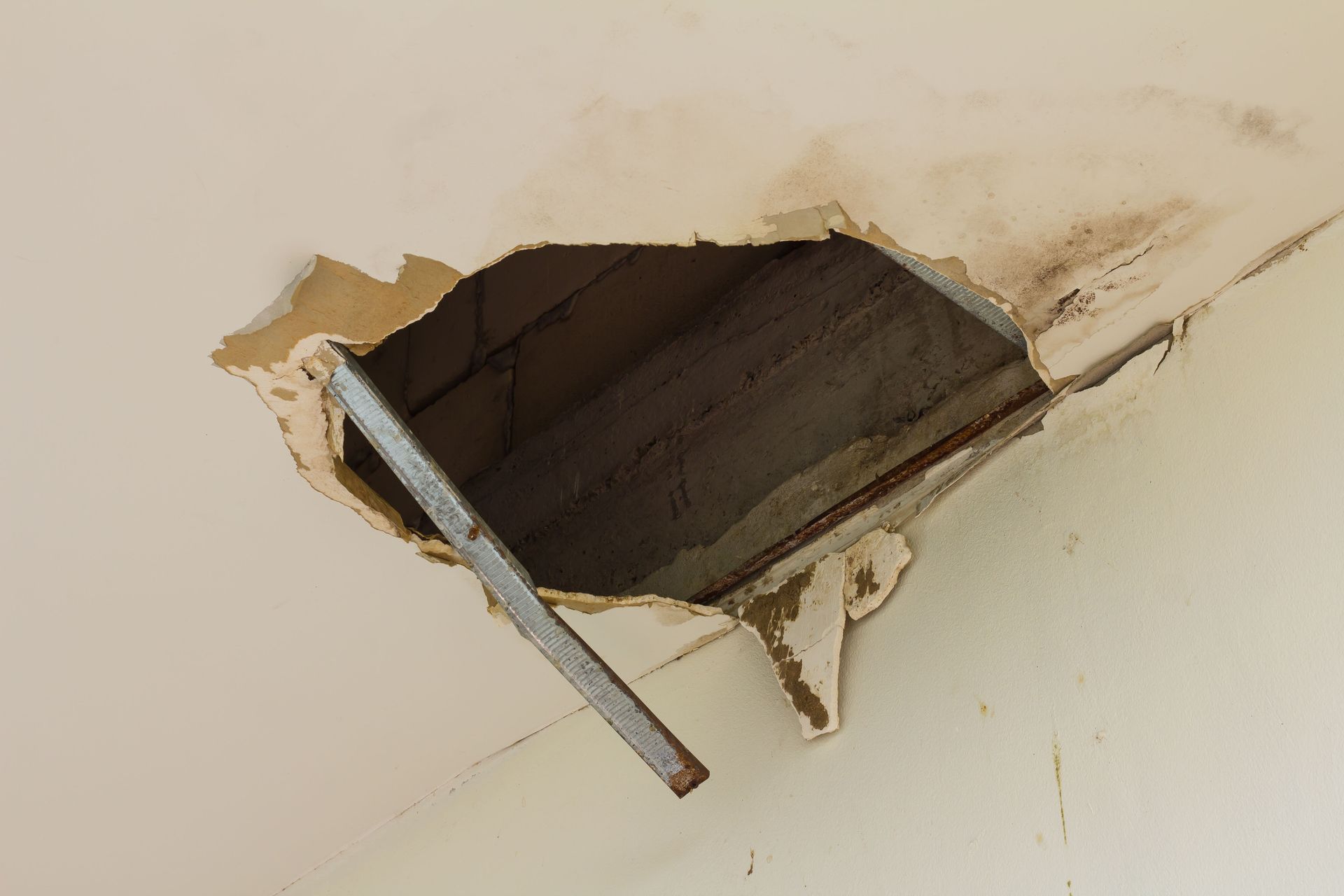
Water stains spreading across ceilings and walls frequently indicate significant underlying problems with roof integrity. Stains often reveal that moisture has been seeping through protective barriers for a long period, potentially causing attic mold and rot. According to RubyHome, water leakage is the primary catalyst for exactly 33% of homeowners choosing to completely redo their roofs. Recognizing and addressing these stains early helps you determine whether localized repairs will suffice or if a complete roofing replacement is necessary to safeguard your home.
Recurring Leaks Across Multiple Areas
Frequent leaks occurring in different areas of your home indicate more than just isolated shingle failure. Multiple leak points suggest that the underlying roofing materials have widespread degradation. Addressing these leaks individually rarely restores full functionality, as patching one spot often pushes water to another weak point. When a roof suffers from chronic leaks, investing in a complete roofing replacement is usually the most reliable and cost-effective long-term solution.
Visible Structural Sagging and Drooping
A sagging roofline is a clear indicator of structural compromise. Continuous water exposure rots supporting rafters, decking, and ceiling joists, causing visible dips along the ridge or roof planes. Structural sagging cannot be solved with minor surface repairs. When support beams are compromised by prolonged moisture exposure, a full roofing replacement is mandatory to restore structural integrity and prevent catastrophic collapse.
Widespread Shingle Deterioration
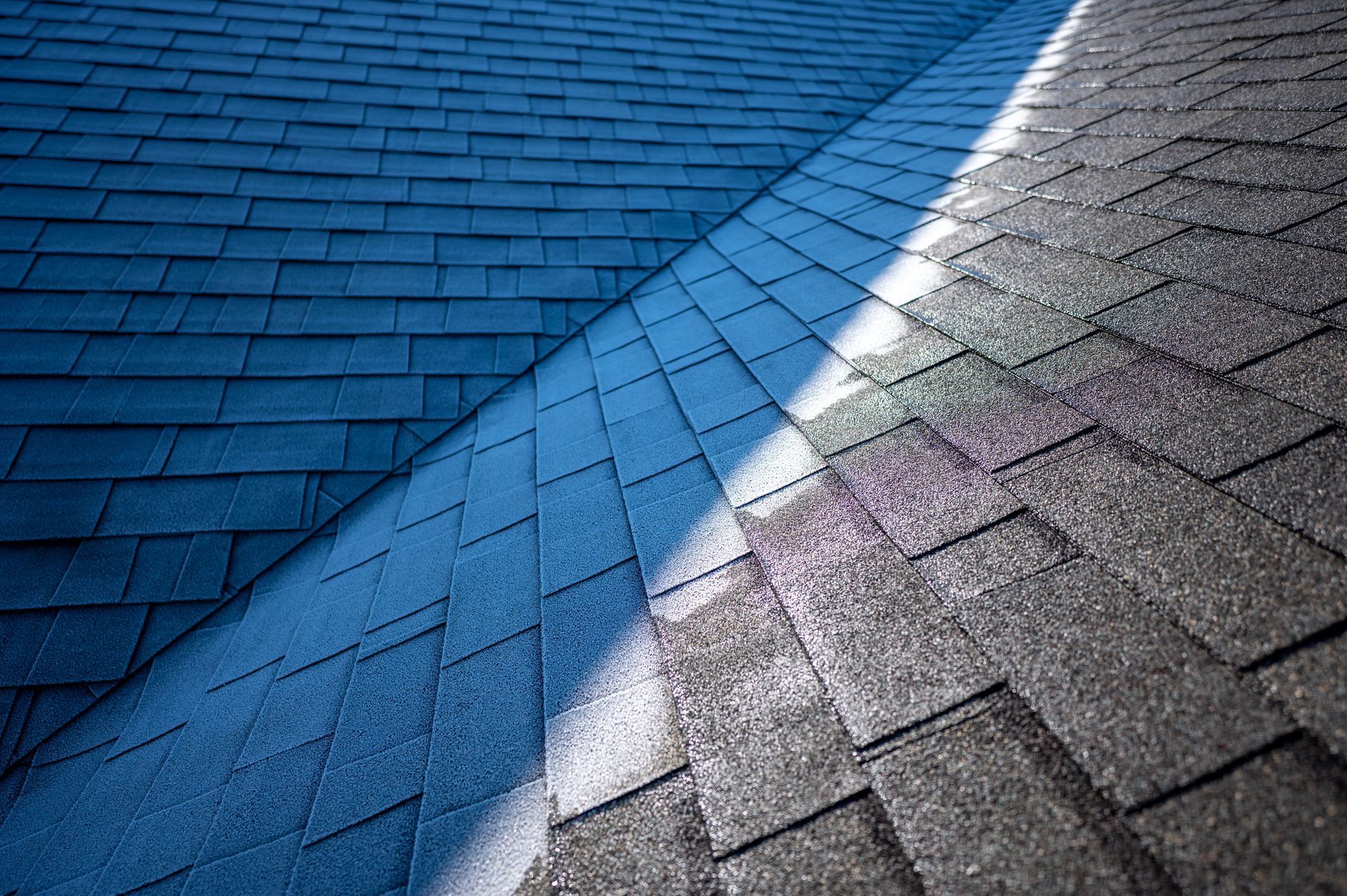
Shingles serve as your roof's first line of defense against severe weather. Shingles that are cracked, curled, cupped, or missing large amounts of protective granules signal advanced age and wear. When shingle deterioration spans the entire roof slopes, the material can no longer repel water effectively. Replacing compromised shingles en masse is rarely practical, making a total roofing replacement the best path forward.
Damaged Flashing and Gutter Failure
Flashing and gutters direct water safely off your roof and away from your home's foundation. Damaged or rusting flashing around chimneys, skylights, and valleys allows water to penetrate vulnerable seams. Similarly, misaligned or clogged gutters cause standing water to back up under the bottom shingle courses. When flashing and drainage systems fail across the entire roof, a comprehensive overhaul is required to prevent continuous decay.
Understanding the Consequences of Unaddressed Leaks
Severe Interior and Structural Water Damage
Ignoring active roof leaks results in extensive internal damage throughout your home. Water seeping through the roof deck destroys drywall, ruins plaster, and creates an ideal environment for toxic mold and wood rot. Wood components within your framing are exceptionally vulnerable to moisture-driven decay. Delaying action turns minor roof issues into massive interior restoration projects.
Reduced Insulation and Escalating Energy Bills
Unchecked roof leaks ruin attic insulation. When fiberglass or cellulose insulation gets wet, it loses its thermal resistance, creating cold spots and air leaks. As a result, your heating and cooling systems must work harder to maintain comfortable indoor temperatures, causing utility costs to skyrocket during peak summer and winter months.
Diminished Property Value and Curb Appeal
Persistent roofing issues heavily impact a property's market value. Potential buyers view a leaking or aging roof as a major financial liability. Visible water stains, missing shingles, or saggy rooflines immediately destroy curb appeal and reduce buyer confidence. Completing a full roofing replacement prior to listing a home restores market appeal and maximizes return on investment.
Electrical and Structural Safety Hazards
Prolonged water intrusion presents serious safety hazards, including potential ceiling collapses and electrical fires. Water traveling through ceiling joists can reach electrical wiring, leading to short circuits, blown breakers, or fire risks. Addressing roof leaks quickly protects both your financial investment and the physical safety of your household.
Pest and Rodent Infestations
Water-damaged wood becomes soft and easy to penetrate, creating entry points for unwanted pests. Rodents, carpenter ants, termites, and raccoons are naturally attracted to damp attic environments. Sealing vulnerabilities through a complete roof overhaul eliminates the moisture and access points that pests need to thrive.
Evaluating Repairs Versus Complete Replacement
Analyzing Long-Term Costs Versus Immediate Repairs
Deciding between repair and replacement requires weighing short-term costs against long-term value. While patching a leak is cheaper upfront, recurring repairs on an aging roof quickly add up. If you are calling a contractor every season to fix new leaks, the cumulative repair costs will soon rival the price of a full roofing replacement that comes with decades of warranty protection.
Assessing the True Scope of Damage
A thorough assessment reveals whether roof damage is localized or systemic. Localized damage, such as a few shingles blown off by a recent storm, can usually be repaired. However, if water damage spans multiple slopes, has rotted the underlying plywood decking, or compromised insulation, a complete roofing replacement is necessary to ensure long-term protection.
Considering the Age of the Existing Roof
The age of your roofing system heavily influences the repair-versus-replace equation. Most standard asphalt shingle roofs have a lifespan of 20 to 25 years. If your roof is approaching or past its expected lifespan, spending money on temporary repairs is rarely wise, as the surrounding shingles are likely nearing total failure as well.
Reviewing Past Maintenance and Repair History
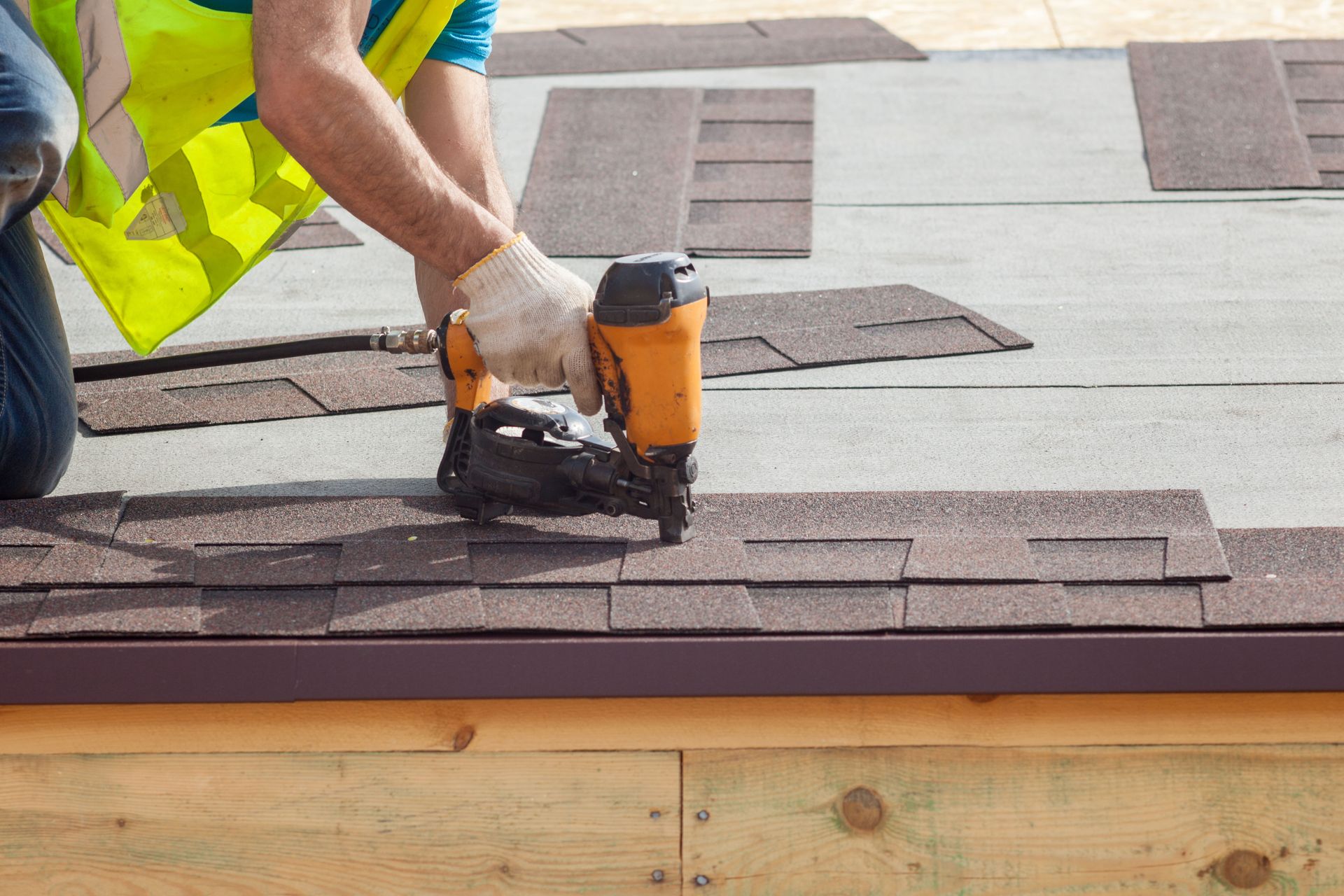
A history of frequent repairs often points to underlying installation defects or low-grade materials. If previous repair attempts have failed to stop water intrusion, continuing to patch the roof is ineffective. A fresh installation removes all compromised underlayment and decking, correcting past mistakes with modern materials and expert techniques.
Upgrading Materials and Architectural Design
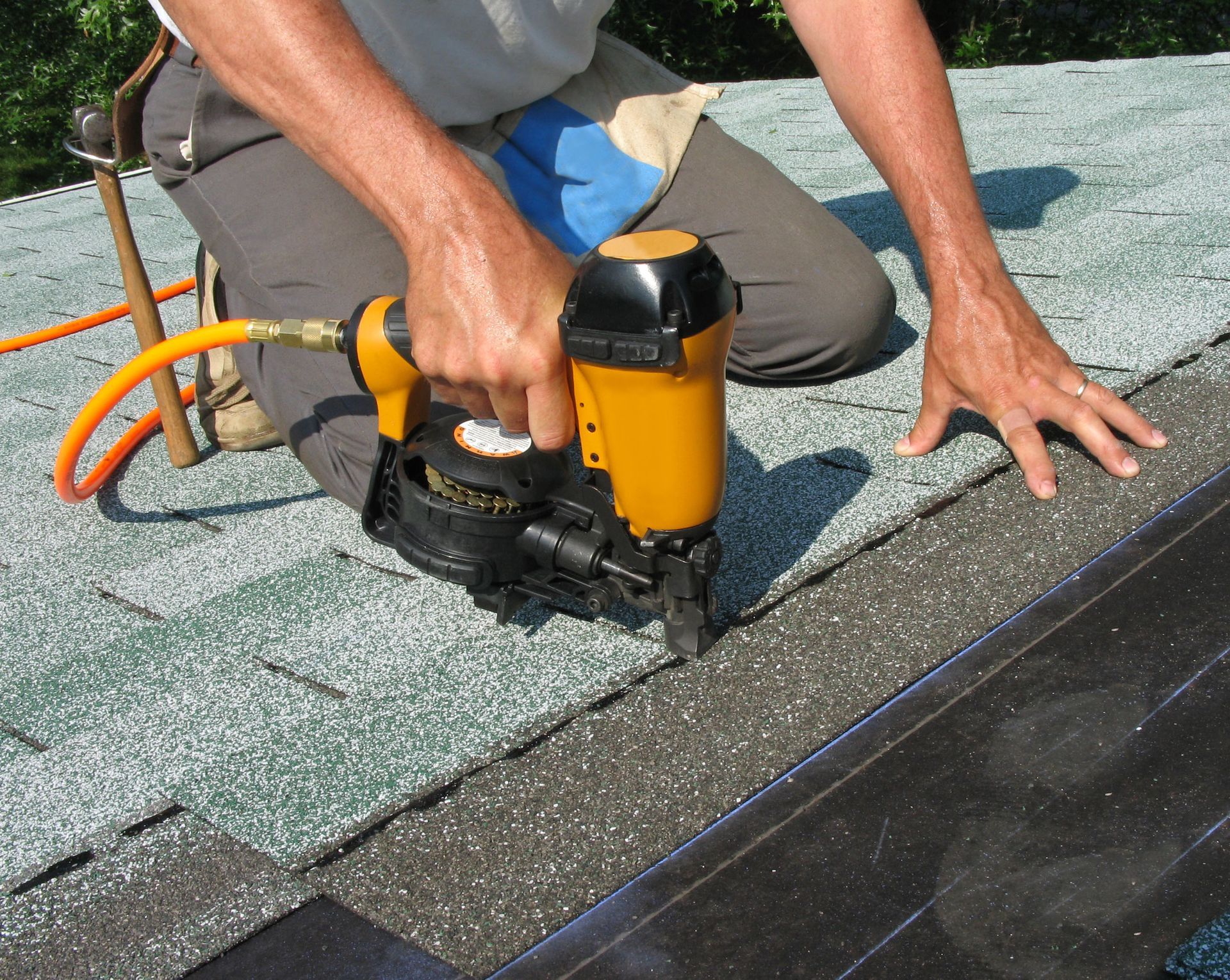
Choosing a complete replacement allows you to upgrade your home's material performance and aesthetic appeal. Modern architectural shingles offer superior wind ratings, impact resistance, and energy-reflective granules compared to older options. Upgrading your roof materials improves overall home efficiency while giving your exterior a major cosmetic facelift.
Taking Action to Protect Your Property
Conducting Routine Roof and Attic Inspections
Proactive homeowners inspect their roofs biannually and after major storm events. Checking your attic for daylight, dark water stains, or musty odors allows you to catch minor moisture intrusion before it escalates into widespread structural damage.
Securing Professional Inspections and Estimates
While ground-level checks are helpful, a professional roof inspection is essential for detecting hidden damage. Certified contractors have the tools and experience to evaluate shingle flexibility, decking condition, and flashing integrity, providing clear guidance on whether a repair or a roofing replacement is the smartest choice.
When water leaks threaten your home's structural integrity, trust experienced professionals to deliver a lasting, dependable solution. The expert team at Holt Roofing Company, Inc. brings decades of industry knowledge, quality craftsmanship, and dedicated local service to every project. Whether you are dealing with persistent moisture issues, storm damage, or an aging roof near the end of its lifespan, our comprehensive inspections provide the clear answers you need. Contact Holt Roofing Company, Inc. today to schedule a thorough roof evaluation, explore high-performance material options, and determine whether a professional roof replacement is the right investment to keep your family and home protected for decades to come.