
July 15, 2026
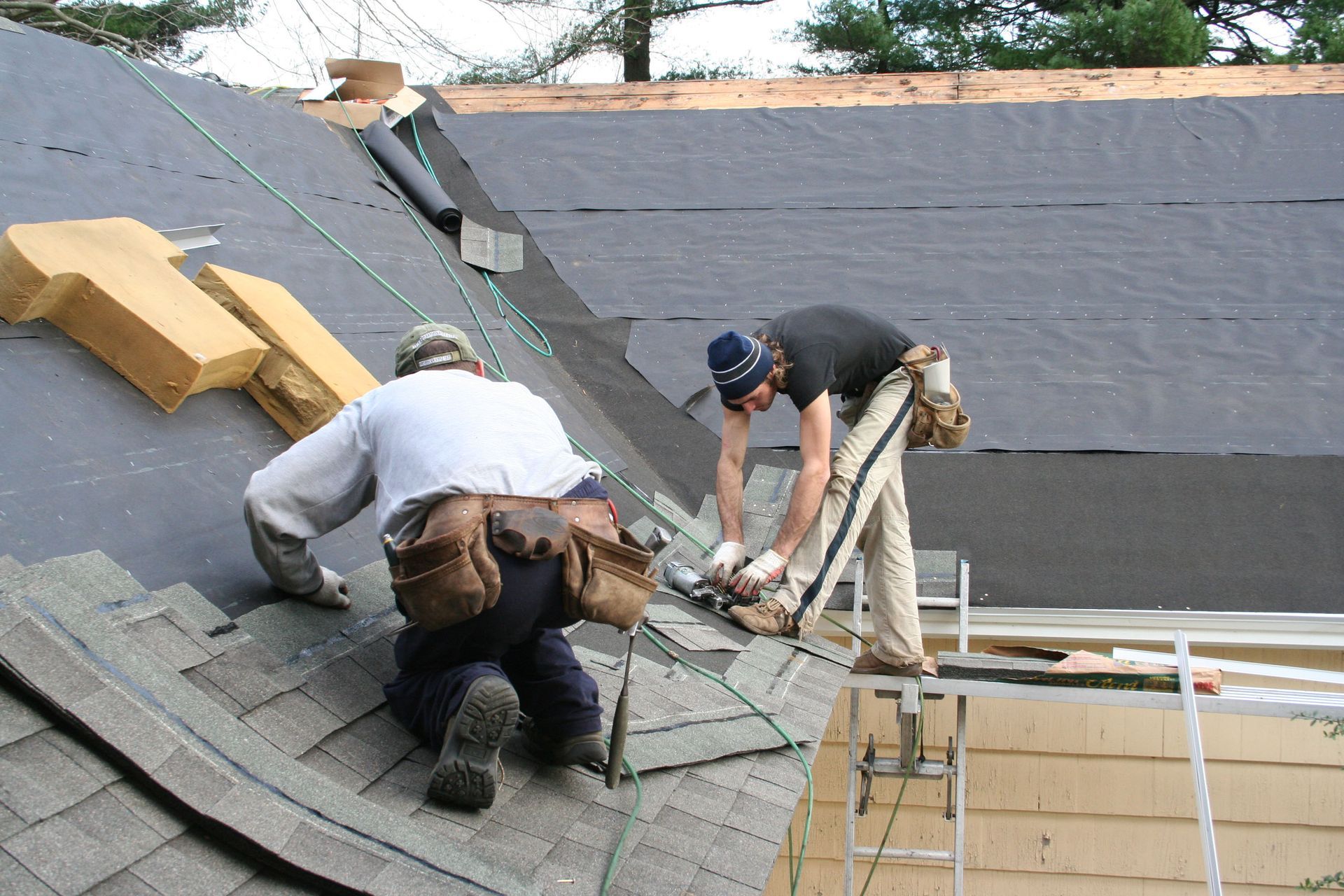
The roof is undoubtedly one of the most critical components of your home's architectural structure, requiring regular maintenance, vigilant observation, and professional evaluation. It serves as your property's primary structural shield against the elements, protecting the underlying foundation and everything inside from rain, wind, and severe weather conditions. However, years of continuous exposure to harsh climates will inevitably compromise its protective capabilities. Knowing exactly when it is time to invest in a professional roofing replacement can prevent sudden structural failures and mitigate extensive interior water damage. Delaying this vital home improvement project often results in exponentially higher repair bills down the road. This comprehensive article analyzes the key structural, visual, and performance indicators that prove your home requires a new roof to remain safe and secure.
1. Clear Signs of Visible Roof Damage
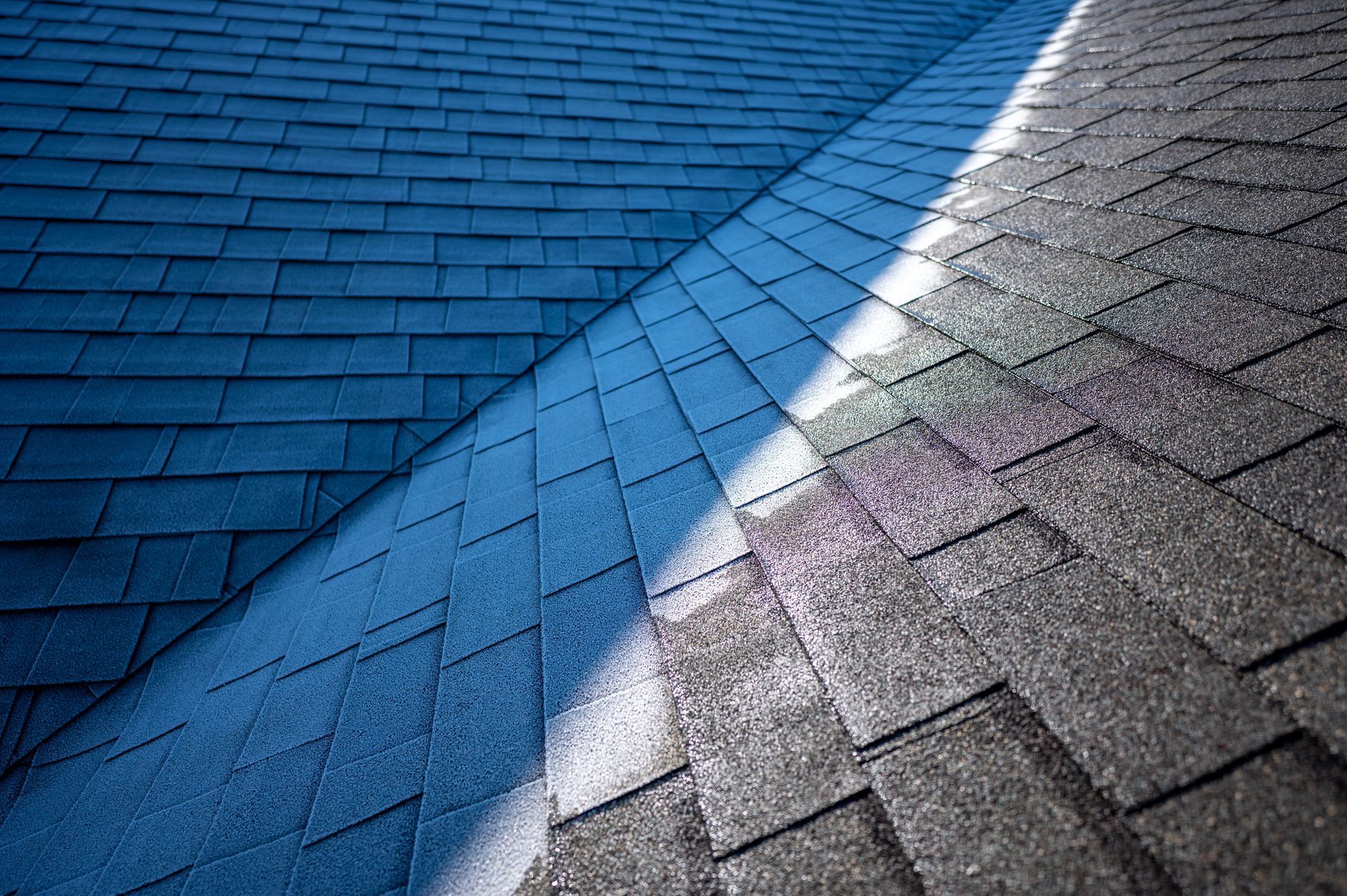
Visual degradation is often the most immediate indicator that your home's structural canopy is failing. Homeowners should routinely inspect their roof lines for missing, broken, or misaligned shingles. These gaps look unappealing and leave your underlayment exposed to water infiltration. Furthermore, shingles that are curling, cupping, or buckling indicate that the material is drying out or suffering from poor attic ventilation. Damaged or rusting metal flashing around chimneys, dormers, and skylights creates immediate vulnerabilities where water can easily bypass your shingles.
A far more severe visual warning sign is a distinct sagging along the ridge lines or valleys of the roof. Sagging indicates serious structural distress, often caused by rotting rafters, an over-saturated roof deck, or support beams failing under weight. This specific issue requires an immediate roofing replacement to prevent a localized collapse. Additionally, finding large amounts of sand-like mineral granules in your gutters is a major warning sign. As shingles age, they shed their protective ceramic granules, leaving the underlying asphalt exposed to destructive ultraviolet solar radiation.
2. Choosing Materials and Evaluating Lifespans
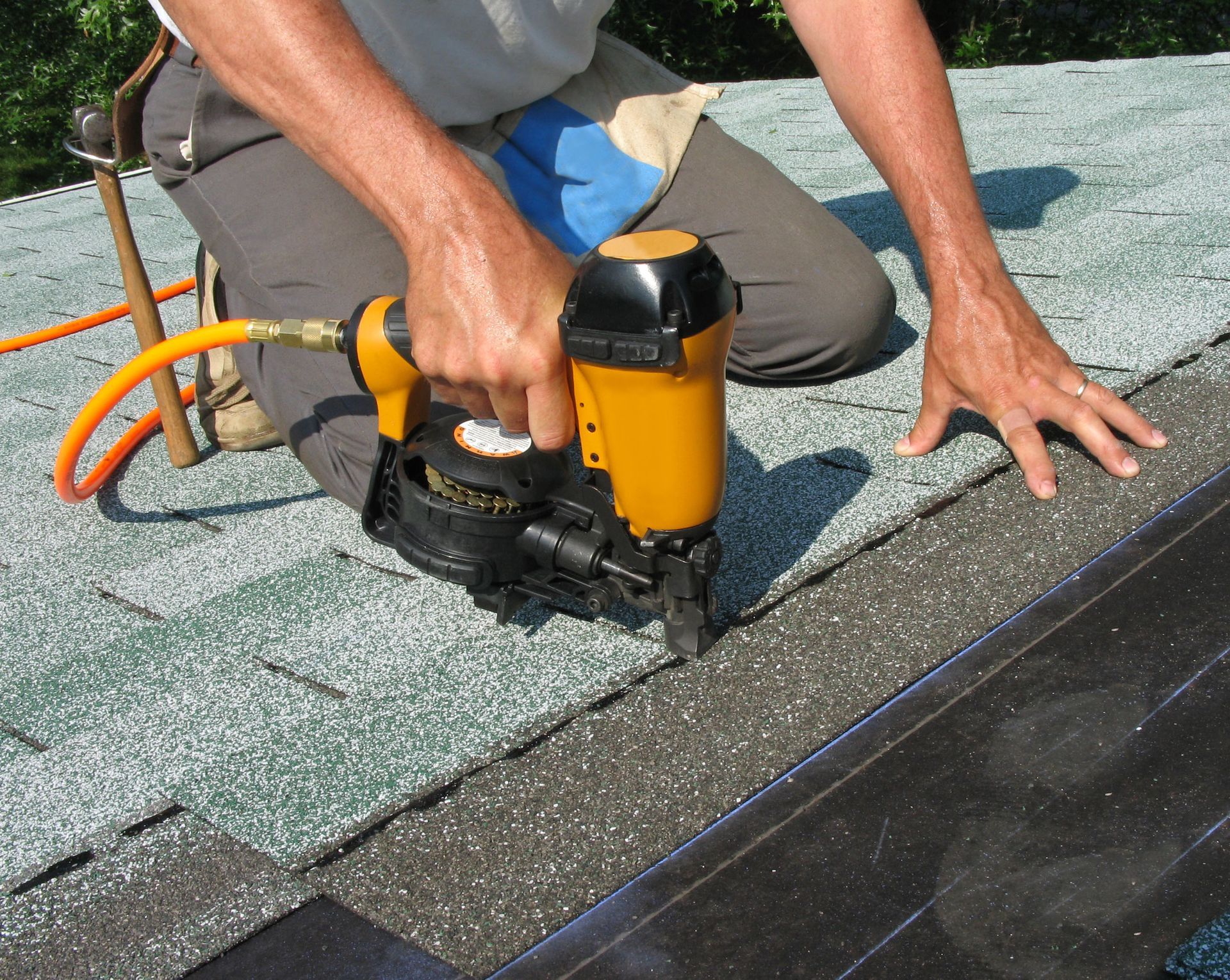
Understanding the life expectancy of different materials helps homeowners budget for an inevitable upgrade before a crisis occurs. Roof longevity varies dramatically based on what is installed on your rafters. While premium materials like slate, clay tile, or standing-seam metal can last well over fifty years, traditional asphalt systems have a much shorter functional lifecycle. According to Rubyhome, asphalt shingles are the most common roofing material, used in roughly 80% of roofing projects.
Standard asphalt shingles typically last twenty to twenty-five years before environmental weathering compromises their core waterproofing layers. If your roof was installed over two decades ago, or if multiple homes in your neighborhood are currently undergoing a roofing replacement, your property is likely due for an upgrade. Environmental factors like heavy snow loads, intense windstorms, and high humidity can accelerate this timeline. Consulting a reputable contracting firm for a physical assessment provides clarity on whether your aging system can survive another season.
3. Water Damage, Structural Leaks, and Mold
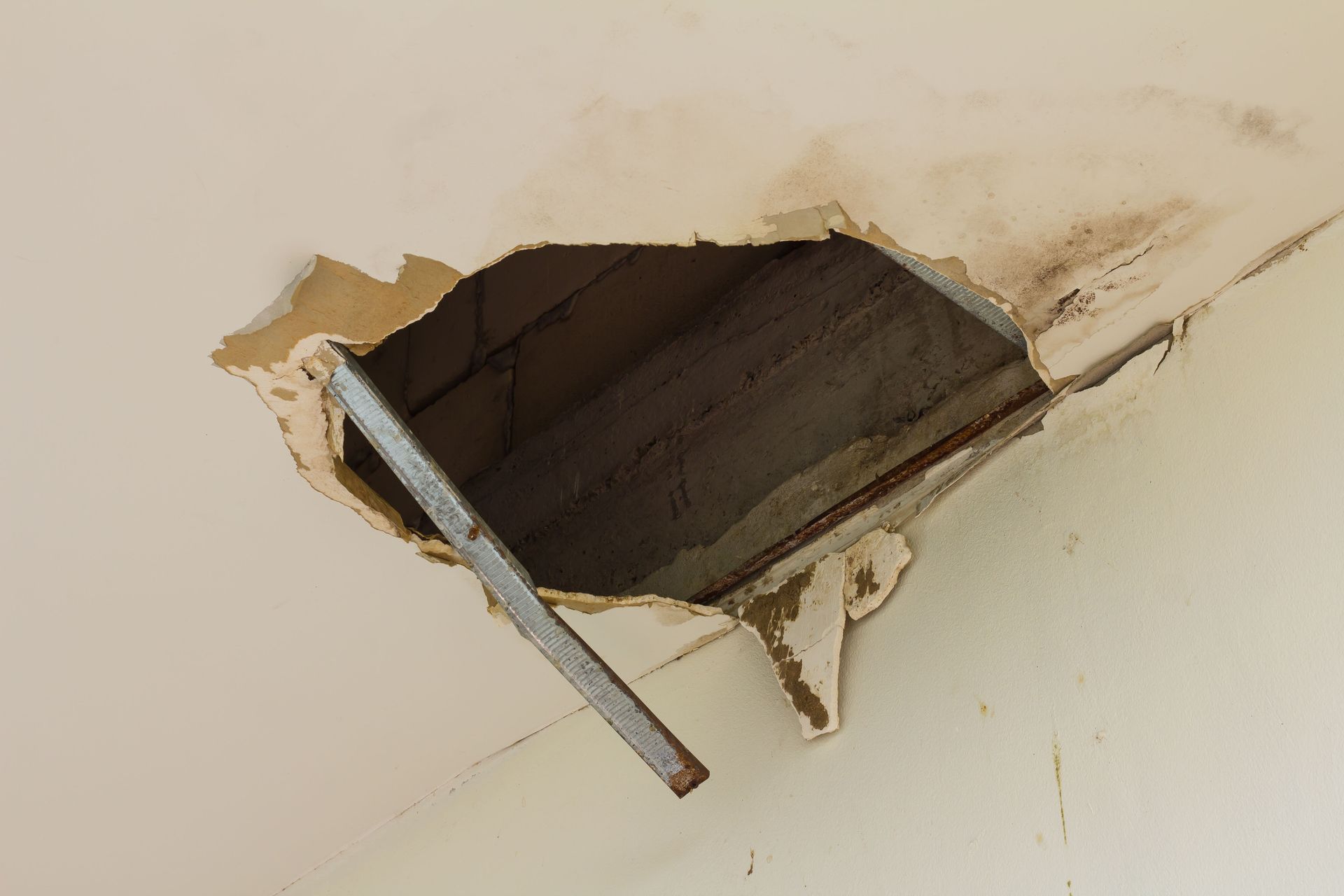
Interior water damage is a clear sign that your roof's waterproofing layers have failed completely. Homeowners should inspect their attic spaces with a flashlight after heavy rainstorms, looking for damp insulation, dark water stains on the rafters, or a persistent musty odor. If a roof leak is ignored, the trapped moisture will rot the structural wood deck and weaken the framing of your home. By the time water stains or bubbling paint appear on your living room ceilings, the subsurface moisture damage is already extensive.
Persistent water intrusion also creates a prime breeding ground for toxic mold and wood-destroying mildew inside your walls and ceilings. These fungal infestations destroy drywall and plaster while creating serious respiratory health risks for your family. If you notice exterior paint peeling along the roofline or damp drywall near upper windows, moisture is likely trapped within the structural layers.
4. Unexplained Increases in Monthly Energy Bills
A sudden, unexplained spike in your monthly heating and cooling expenses can often be traced back to a deteriorating roof. A healthy roof acts as an essential thermal barrier, working alongside your attic insulation to regulate indoor temperatures. When a roofing system degrades, structural gaps, shifting shingles, and degraded underlayment allow conditioned air to escape while allowing outdoor temperatures to penetrate your home. This thermal failure forces your HVAC system to run constantly to maintain comfort.
During hot summer months, a degraded roof absorbs solar heat and transfers it directly into your attic, creating an oven effect that overworks your air conditioner. In the winter, structural gaps allow icy drafts to enter, driving up your heating bills. Investing in a modern roofing replacement resolves these inefficiencies by utilizing advanced underlayments and radiant-barrier decking. Upgrading your roof restores thermal performance, reduces wear and tear on your HVAC equipment, and significantly lowers your long-term energy costs.
5. Wildlife Intrusions and Escalating Repairs
The sudden presence of wildlife or burrowing pests in your attic suggests that your roofing system has developed physical vulnerabilities. Raccoons, squirrels, rodents, and birds can easily spot soft, moisture-rotted spots along your roof deck or fascia boards. They will aggressively chew through weakened wood to build nests, tearing up insulation and destroying electrical wiring in the process. If you hear scratching noises overhead, it is time to check your roof for animal entry points.
Furthermore, a sudden spike in the frequency of minor roof repairs is a clear sign that your system is reaching the end of its lifespan. While patching a minor storm leak is normal, needing constant service calls for flashing failures, blown-off shingles, or localized leaks indicates systemic material failure. Continually paying for temporary patches wastes money without fixing the underlying structural issues. If your repair costs are escalating, a professional roofing replacement is a far more cost-effective investment for your home.
Here is the addition of a sixth section, seamlessly integrated into the article's structure, focusing on the cosmetic and financial indicators of roof failure.
6. Curbside Aesthetics and Declining Property Value
Your roof accounts for up to 40% of your home's visible exterior, making its overall cosmetic condition a massive driver of property valuation. An aging roof covered in dark, ugly streaks of airborne algae, invasive moss clumps, and decaying organic debris looks highly unappealing. This visual neglect actively drops your home's appraisal value and hurts its marketability. Thick moss growth is especially dangerous, as its roots anchor into the ceramic shingle granules, lifting the edges and trapping moisture directly against the underlying structural wood deck.
When multiple aesthetic flaws combine with warped rooflines and uneven valleys, it sends a clear signal to inspectors that the entire structure is suffering from long-term neglect. If you plan to sell your property, a deteriorated roof will often stall real estate negotiations, trigger mandatory buyer repair demands, or cause insurance companies to deny coverage entirely. Investing in a timely roofing replacement instantly refreshes your home's architectural appearance, matches modern neighborhood standards, and provides a substantial return on investment by maximizing final resale values.
Recognizing the warning signs of a failing roof is essential for protecting your property's safety, value, and structural integrity. From visible shingle damage and chronic interior water leaks to rising energy bills and frequent repair costs, these symptoms prove that an old roof can no longer defend your home. Delaying a necessary upgrade risks expensive structural rot, mold infestations, and emergency failures. Investing in a professional roofing replacement delivers long-term durability, enhanced energy efficiency, and total peace of mind against the elements.
When you need an experienced, certified team to evaluate your roof or execute a flawless upgrade, choose a contractor with a proven regional reputation for excellence. For premier craftsmanship and dependable customer service, rely on the dedicated professionals at Holt Roofing Company. Contact Holt Roofing Company today to schedule your comprehensive physical inspection and secure your home's future with a top-tier roofing replacement!