
June 9, 2026
A home’s roof does more than protect the structure from rain, wind, snow, and sunlight. It also plays a major role in how efficiently the home uses energy throughout the year. When a roof is old, damaged, poorly ventilated, or made with outdated materials, it can allow conditioned air to escape and outdoor temperatures to affect indoor comfort. This can force heating and cooling systems to work harder, increasing energy use and utility costs over time.
A carefully planned roofing replacement gives homeowners the opportunity to correct these problems and create a more efficient, comfortable living environment. By choosing modern materials, improving ventilation, sealing weak areas, and addressing hidden moisture issues, a new roof can support better temperature control in every season. While many homeowners think of roof work as a repair or protection project, it can also be an investment in long-term energy performance.
Improving Thermal Protection
One of the most important ways a new roof can improve energy efficiency is by strengthening the barrier between indoor living areas and outdoor conditions. Older roofing materials may become worn, cracked, curled, or loose, creating weak points that allow heat to transfer more easily. During the summer, this can allow excessive heat to enter the attic and raise indoor temperatures. During the winter, it can contribute to heat loss and make rooms feel colder. These issues often develop gradually over time, making them difficult for homeowners to notice until energy bills begin to increase significantly.
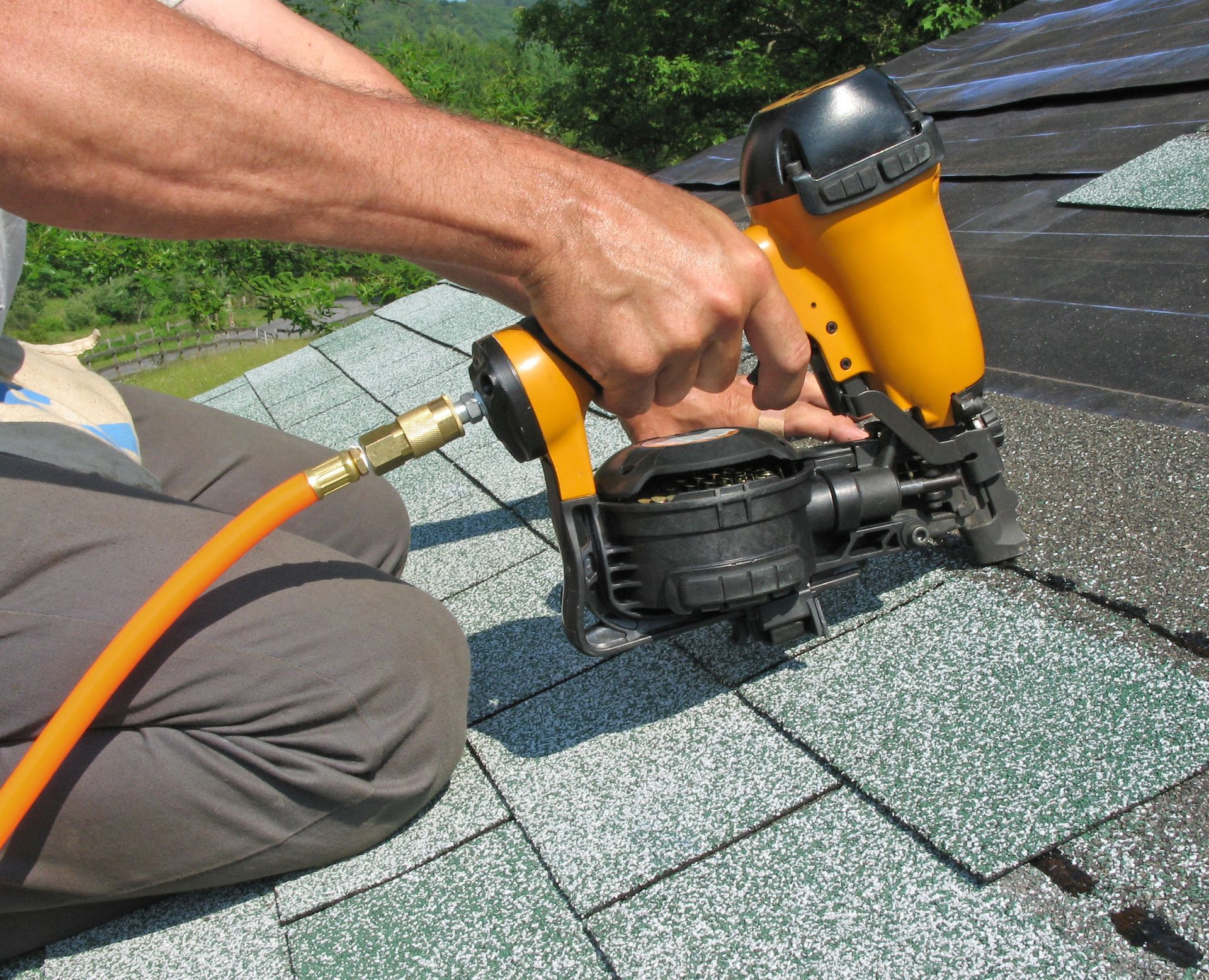
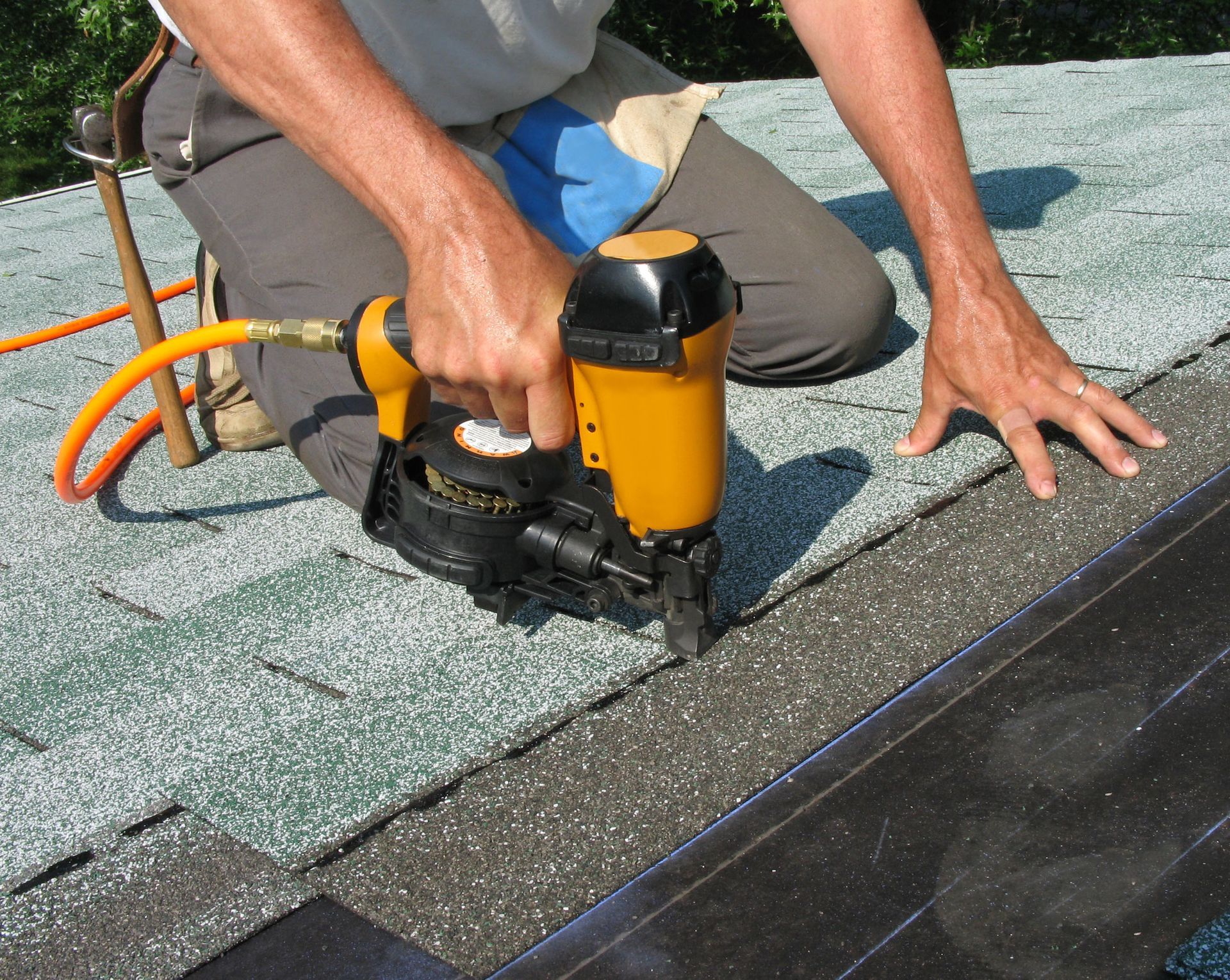
During a roofing replacement, contractors can evaluate the condition of the roof system and install materials designed to provide better protection. New shingles, underlayment, flashing, and sealing components work together to reduce unwanted air movement and heat transfer. When the roof performs as a stronger thermal barrier, the home’s heating and cooling systems do not have to run as often to maintain comfortable temperatures. This improved performance can help create a more consistent indoor environment while reducing strain on essential heating and cooling equipment.
Reducing Heat Absorption
Roofing materials can have a major impact on how much heat a home absorbs from the sun. Dark, aging, or damaged roofing may hold more heat, especially during hot months. That heat can build up in the attic and eventually affect the living spaces below. As temperatures rise indoors, air conditioning systems must work harder to keep the home cool, which can lead to higher energy bills. Over time, this increased demand can place additional stress on cooling equipment and contribute to greater energy consumption throughout the household.
Modern roofing options often include materials that reflect more sunlight and absorb less heat. Homeowners may choose lighter colors, reflective shingles, or energy-conscious roofing products that help reduce heat buildup. By limiting solar heat absorption, roofing replacement can help create a cooler attic and a more comfortable home, especially in regions that experience long periods of warm weather. These advancements can also support more consistent indoor temperatures and reduce the need for excessive air conditioning during peak summer months.
Enhancing Attic Ventilation
A roof cannot support energy efficiency effectively without proper ventilation. Attic ventilation helps regulate temperature and moisture levels by allowing hot, humid air to escape while drawing in fresh air. When ventilation is inadequate, heat can become trapped beneath the roof, increasing the temperature inside the attic. This trapped heat can spread into the home and place additional strain on cooling equipment. In some cases, poor airflow can also contribute to moisture accumulation, creating additional concerns that affect both comfort and roof performance.
A professional roof project provides an opportunity to assess whether the attic has the right balance of intake and exhaust ventilation. Improving ridge vents, soffit vents, or other ventilation features can help air circulate more effectively. With better airflow, the attic stays closer to the outdoor temperature, reducing heat buildup and helping the roof system perform more efficiently throughout the year. Proper ventilation can also help protect roofing materials from premature wear, supporting the long-term durability of the entire roofing system.
Preventing Moisture Damage
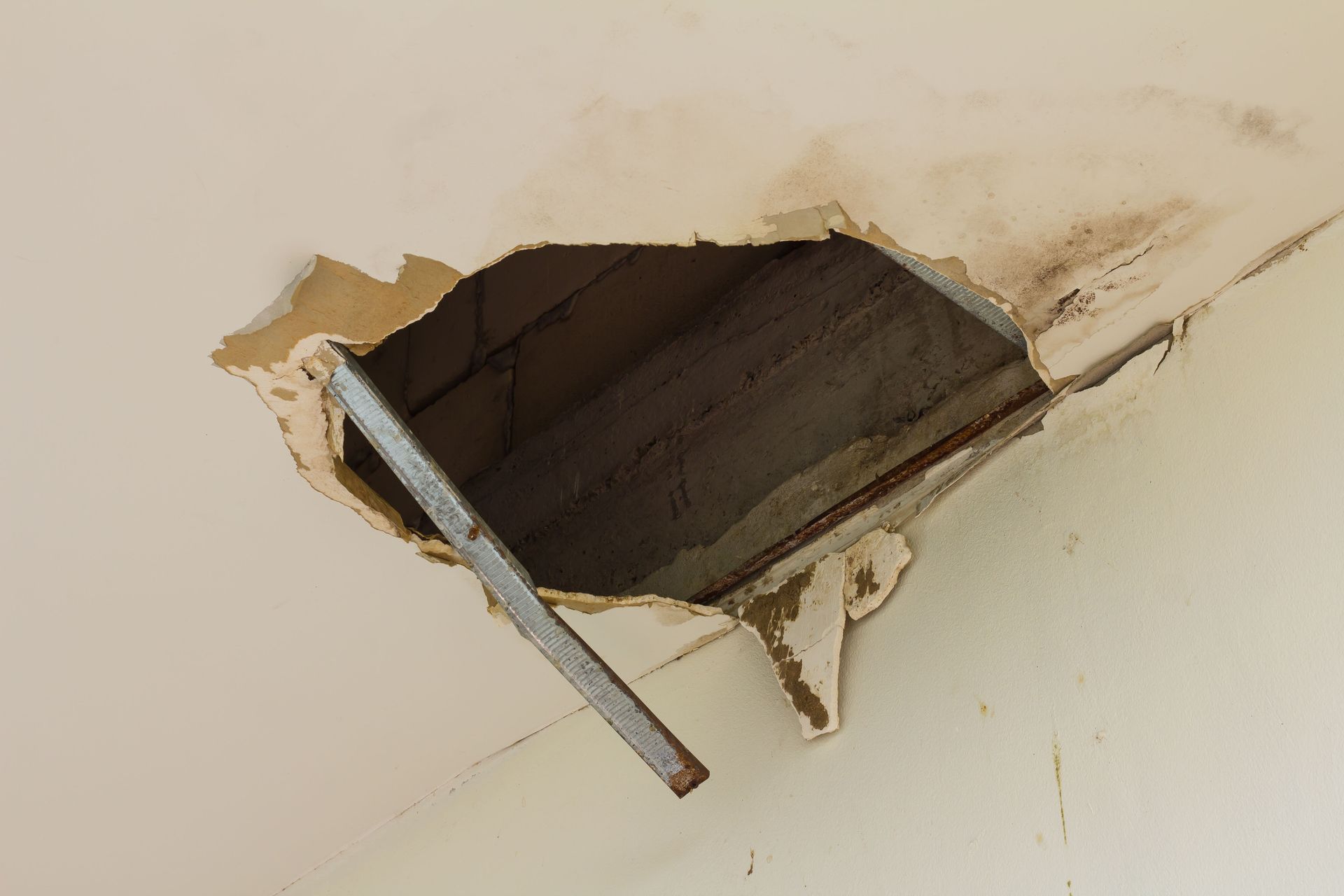
Moisture problems can reduce a home’s energy efficiency in ways that are not always visible at first. Leaks, condensation, and trapped humidity can damage insulation, weaken building materials, and create conditions for mold growth. Once insulation becomes wet or compressed, it loses much of its ability to resist heat transfer. This can make the home harder to heat and cool efficiently. Over time, these hidden issues can contribute to rising utility costs and create larger structural concerns that require extensive repairs.
According to RubyHome, water leakage is the primary catalyst for exactly 33% of homeowners choosing to completely redo their roofs. This highlights how common moisture issues can be and why they should not be ignored. By addressing leaks and water-damaged areas during roofing replacement, homeowners can help protect insulation, improve indoor comfort, and reduce the energy waste that often comes from hidden roof damage. Taking proactive steps to correct moisture problems can also help preserve the long-term health and performance of the entire roofing system.
Supporting HVAC Performance
Heating and cooling systems are often blamed for high utility bills, but the roof can be part of the problem. If a roof allows excess heat, cold air, drafts, or moisture into the home, the HVAC system must compensate. This can lead to longer run times, more frequent cycling, and additional wear on expensive equipment. Over time, that extra strain may increase maintenance needs and shorten the life of the system. Increased energy demand can also contribute to higher monthly utility costs, making the home less efficient and more expensive to operate.
When the roof system is updated, sealed, ventilated, and properly installed, the HVAC system can operate under better conditions. Stable attic temperatures and reduced air leakage help the home maintain a more consistent indoor climate. As a result, roofing replacement may support improved HVAC efficiency, lower energy consumption, and a more comfortable living space during both hot and cold seasons. These improvements can help homeowners enjoy better temperature control while reducing unnecessary stress on heating and cooling equipment year-round.
Increasing Long-Term Savings
Energy-efficient improvements often provide value over many years, and a new roof is no exception. While the upfront cost of a roof project can be significant, the long-term benefits may include lower energy bills, fewer repairs, better indoor comfort, and improved protection against weather damage. Homeowners may also appreciate the added curb appeal and confidence that comes with a roof designed to perform reliably.
Choosing quality materials and professional installation is essential for getting the most from roofing replacement. A properly installed roof can reduce energy waste, protect the home’s structure, and support more predictable utility costs. For homeowners planning to stay in their homes for years, these benefits can make a new roof a smart investment in comfort, performance, and property value.
Improving energy efficiency starts with looking at the home as a complete system, and the roof is one of the most important parts of that system. A new roof can strengthen thermal protection, reduce heat absorption, improve ventilation, prevent moisture damage, support HVAC performance, and contribute to long-term savings. When installed by experienced professionals, roofing replacement can do far more than improve appearance; it can help create a more efficient, comfortable, and protected home. To learn more about upgrading your roof for better performance and lasting value, contact Holt Roofing Company, Inc.