
June 18, 2026
Understanding the lifespan of a new roof is crucial for homeowners and roofing companies alike. This guide aims to explore various factors influencing roof longevity, offering insights into different roofing materials, environmental impact, maintenance practices, installation quality, warranty considerations, and how to plan for roof replacement. The longevity of a roof directly affects the safety and financial investment of a property. Knowing when to replace a roof can save costs and prevent potential hazards. Through a comprehensive examination of factors and techniques, this article will empower readers with the knowledge to optimize their roofing lifespan.
Factors Influencing Roof Longevity
Material Types and Their Expected Durability
According to the Roofers’ Guild, the average roof lasts between 25 and 50 years; however, the type of material used for a roof is one of the most important factors affecting its longevity. Asphalt shingles are a popular choice due to their affordability and widespread availability, while metal roofing is often valued for its durability and resistance to wear. Premium materials such as clay tiles and slate are known for their exceptional longevity when properly maintained. Each roofing material offers unique advantages and challenges, making it important for property owners to select an option that aligns with their budget, maintenance expectations, and long-term goals.
Environmental Conditions and Climate Impact
The environment surrounding a roof is another critical factor determining its longevity. Roofs in sunny climates face degradation due to intense heat and UV radiation, leading to faster wear of roofing materials. Conversely, roofs in rainy, windy, or snowy regions must endure constant exposure to moisture and extreme weather conditions, which can weaken the structure over time. These environmental challenges necessitate the selection of materials that are specifically designed to withstand local weather fluctuations. Homeowners must evaluate regional climate patterns when choosing materials and installation practices to optimize roof durability.
Roof Pitch and Design
The pitch and design of a roof not only impact its aesthetic appeal but also its durability and lifespan. A steeper pitch allows for improved water runoff, reducing the likelihood of water pooling and potential leaks that can damage the roof structure. A flat roof, common in modern architecture, may require more maintenance to avoid water accumulation and potential water damage. Furthermore, complex roof designs with multiple angles and facets increase installation difficulty, leading to potential weak spots if not expertly installed. Careful consideration of design in relation to climate and maintenance needs is crucial in maximizing a roof’s effectiveness and longevity.
Environmental Impact on Roof Longevity
Rain and Moisture
Continuous exposure to rain and moisture can pose significant risks to a roof's integrity. Water can seep into small cracks or under shingles, causing structural rot and damage over time, particularly if poor drainage or flawed installation exacerbates the issue. Moisture can also encourage the growth of mold, algae, and lichen, which can further damage roofing materials if not addressed promptly. Employing materials designed for moisture resistance, alongside regular inspections for leaks and swift repairs, can protect roofing from water damage. Achieving optimal roof longevity requires proactive measures to mitigate the effects of persistent and severe weather conditions.
Wind and Storm Damage
High winds and storms present significant threats to roofing materials, potentially causing shifts, breakage, or complete removal of roof components. Strong gusts can uplift shingles or tiles, leaving the underlayment exposed to further weather damage. Additionally, debris carried by winds can impact and damage roofing surfaces, leading to compromises in structural integrity. To guard against storm damage, selecting roofing materials with high wind resistance ratings and securing proper installation can bolster a roof's ability to withstand adverse conditions. Regular post-storm assessments are essential to identify and address damages that might otherwise go unnoticed.
Snow and Ice in Colder Climates
In colder climates, snow and ice can strain roofing systems due to added weight and potential water infiltration during freeze-thaw cycles. Accumulation of snow increases the load on a roof, necessitating materials and structural support capable of bearing such weight without risk of collapse. Ice dams—a common winter hazard—can form at the roof's edges and prevent melting snow from draining, leading to potential leaks. Insulation and ventilation must be optimized to minimize ice dam formation and subsequent water damage. Maintenance routines should include snow removal and inspection of vulnerable areas to ensure continued roof resilience.
Importance of Quality Installation
Choosing a Qualified Contractor
Selecting the right roofing companies for roof installation is critical to ensuring a long-lasting and durable roof. Qualified contractors bring experience, knowledge, and adherence to industry standards, all of which are vital components for successful installation. Homeowners should seek contractors with verified credentials, positive customer reviews, and demonstrated expertise in handling specific roofing materials. A reliable contractor not only completes the installation correctly but also guides best maintenance practices and warranty issues. Taking time to choose qualified professional roofing companies provides peace of mind and protects the investment in one's roofing system.
Avoiding Installation Mistakes
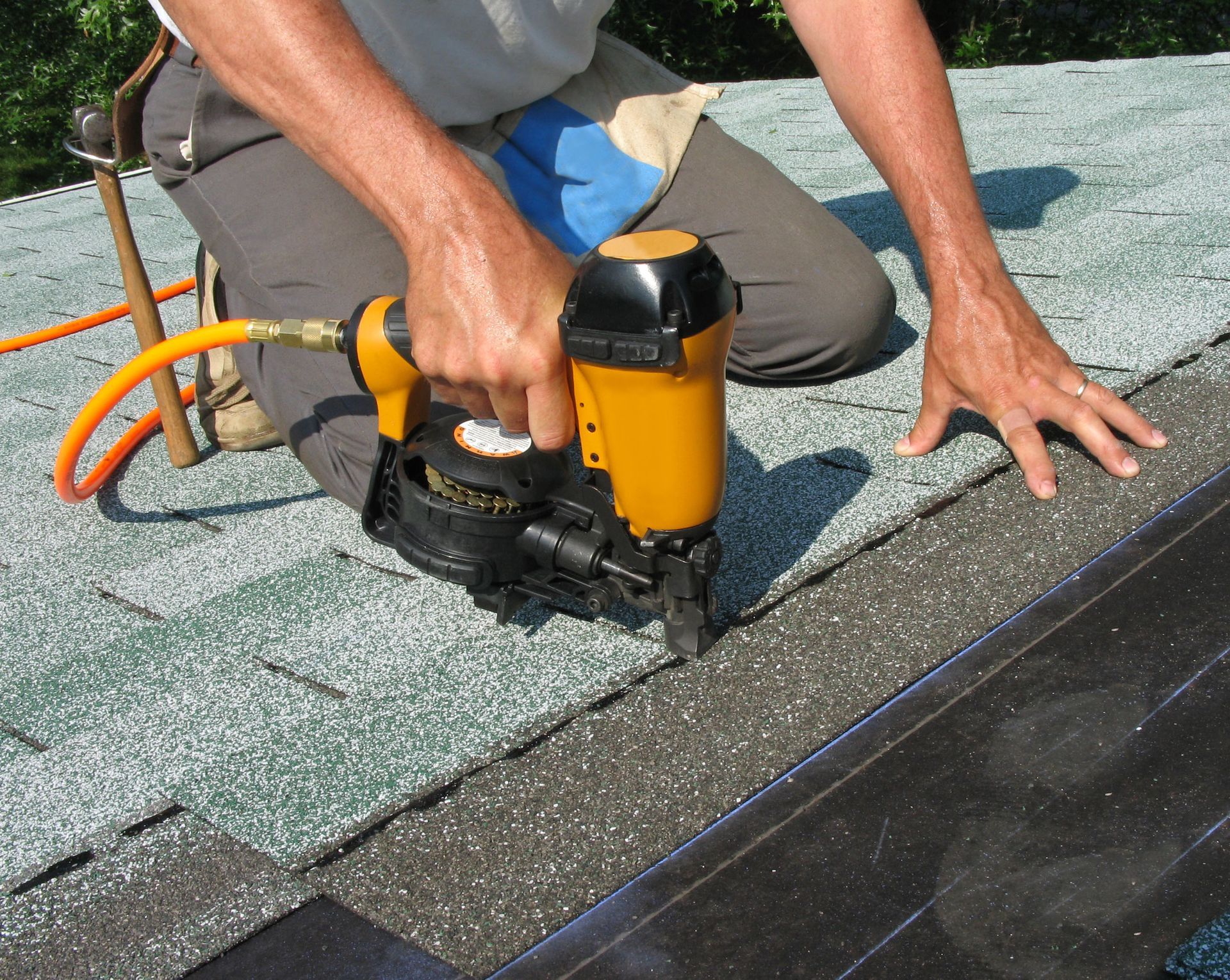
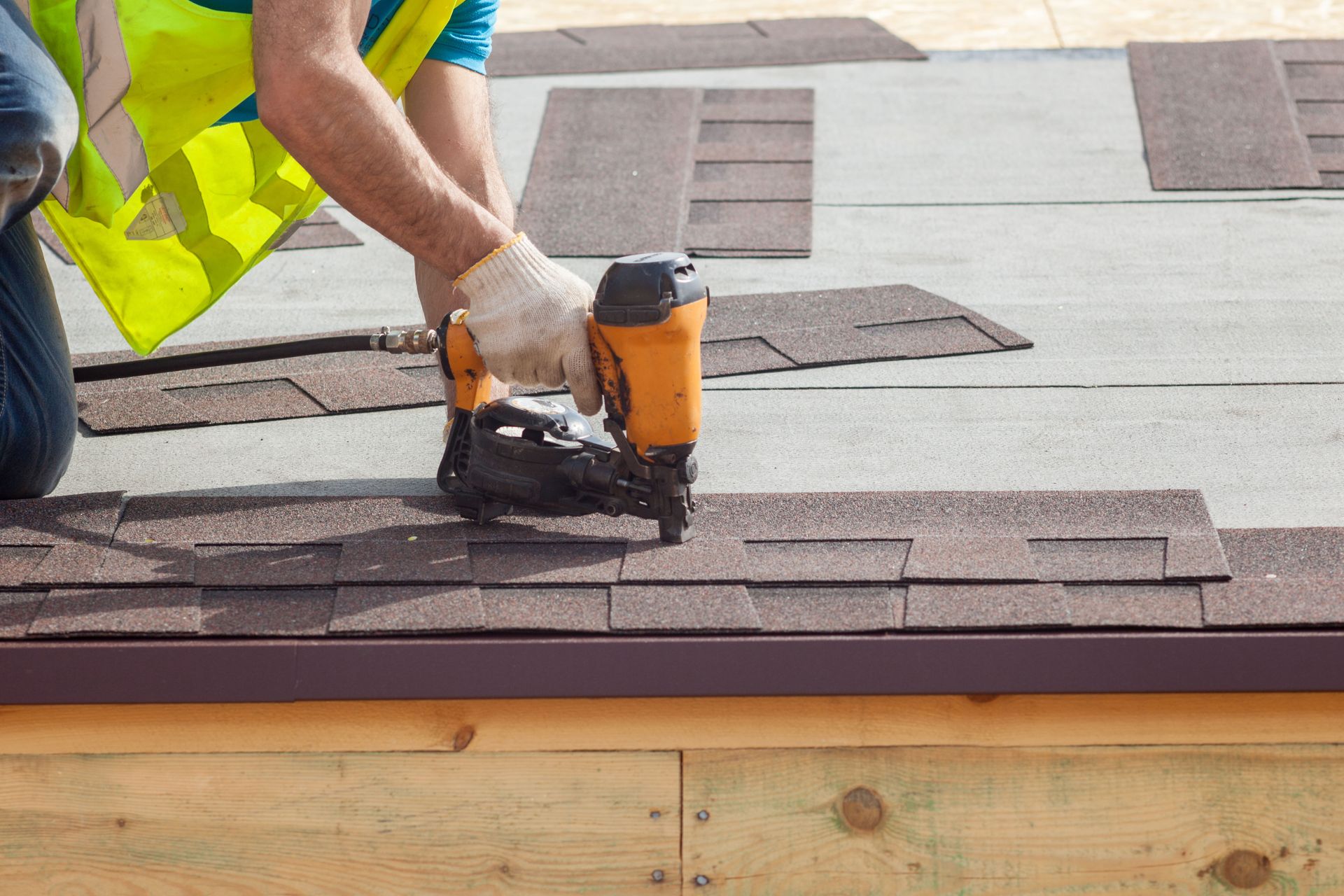
Mistakes during roof installation can have lasting negative impacts, significantly reducing a roof’s lifespan. Common errors include incorrect shingle placement, inadequate nailing, poor ventilation, and improper sealing, all of which can lead to leaks and premature wear. Such mistakes make roofs susceptible to environmental factors and material degradation. Homeowners can avoid these issues by ensuring their roofing companies use proper installation techniques and adhere to manufacturer guidelines. Spotting and correcting installation issues early prevents costly repairs and ensures the roof performs as intended over its projected lifespan.
Following Codes and Standards
Adhering to building codes and standards is critical to ensuring a safe and compliant roofing installation. These codes dictate the necessary materials, techniques, and structural considerations to withstand environmental stresses specific to a region. Noncompliance can result in weakened structural integrity, increased repair costs, and potential legal liabilities. Staying up to date with local regulations and standards is a responsibility shared by both homeowners and roofing companies. Incorporating current best practices also guarantees that the roof performs optimally under expected conditions while maximizing its longevity.
Maintenance Practices to Extend Roof Life
Maintaining Regular Inspections
Regular roof inspections are essential to identify and address potential issues before they escalate into costly repairs. These inspections, typically recommended annually or after severe weather events, focus on checking for damaged or missing shingles, signs of leaks, and other structural weaknesses. Effective inspections allow homeowners to maintain the roof’s integrity and protect property against weather-related hazards. Engaging professional roofing specialists ensures thorough assessments, including areas that may be difficult for untrained individuals to access safely. Consistent inspection schedules are a proactive approach to preserving roof longevity and preventing premature replacement.
Cleaning and Debris Removal
Keeping the roof free from debris is a straightforward but crucial maintenance practice that helps ensure longevity. Branches, leaves, and other debris can trap moisture and create areas where mold and rot can develop, weakening the roofing material. Regular cleanings, particularly after heavy winds or storms, reduce the risks of blockage and water retention on the roof surface. Professional cleaning services are recommended to prevent damage during the cleaning process, particularly for fragile materials like tiles or slate. A clean roof not only looks aesthetically pleasing but is also more effective in performing its primary protective function.
Repairing Damages Promptly
Addressing any roof damage promptly can prevent small issues from developing into significant problems. Immediate repairs of minor issues such as broken shingles, punctures, and leaks help preserve the roof's overall structure and avoid further deterioration. Ignoring these problems can result in extensive water damage, compromised insulation, and potentially costly structural issues that necessitate total replacement. Regular maintenance with roofing companies enables the detection of damage early, fostering timely interventions and prolonging the roof’s functional life. Proactive rather than reactive maintenance strategies ensure a more resilient roofing system.
The lifespan of a roof is influenced by a combination of factors, including material selection, environmental conditions, installation quality, roof design, and ongoing maintenance. While some factors, such as local climate, are beyond a property owner's control, many aspects of roof performance can be improved through informed decision-making and proactive care from homeowners and roofing companies. With proper planning and consistent maintenance, a well-installed roof can continue to perform effectively for many years while safeguarding the property beneath it. To learn more about the options available and start your new roof installation, reach out to the pros over at Holt Roofing Company, Inc today.