
October 23, 2026
As the world shifts towards sustainable energy solutions, solar power has emerged as a vital component in reducing our reliance on fossil fuels. For building owners, this means exploring the potential of their rooftops to accommodate solar panels. However, the successful integration of solar energy requires more than just placing panels on a roof. It necessitates a solar-ready roof—an infrastructure optimized for efficient energy conversion. Engaging with a local roofing company can ensure building owners make informed decisions that enhance both the longevity and efficiency of their investment.
The importance of having a roof tailored for solar installation cannot be overstated. A solar-ready roof encompasses everything from structural integrity to optimal positioning and durability under local weather conditions. Local expertise is indispensable, providing personalized solutions that align with specific environmental factors and building codes. In this article, we will delve into the elements that constitute a solar-ready roof and why consulting with a local roofing company is crucial for an effective solar deployment.
What is a Solar-Ready Roof?
A. Definition and Features
A solar-ready roof is specifically designed or retrofitted to support the installation of solar panels without requiring significant modifications in the future. Unlike traditional roofs, solar-ready roofs are constructed with the structural capacity, surface area, and orientation needed to maximize solar panel efficiency. Features may include reinforced trusses, specialized roofing materials that minimize wear and tear from mounting equipment, and layouts that reduce shading from structural components like chimneys or air conditioning units.
The foresight in planning solar readiness can not only facilitate smoother solar panel installation but can also significantly reduce installation costs. By designing a solar-ready roof, building owners maximize the alignment of their roofing and energy solutions, optimizing performance and cost-effectiveness. Preparing a roof for solar integration from the outset is a proactive step that aligns with future energy trends, preparing buildings for the growing wave of solar adoption.
B. Importance of Solar-Ready Design
Designing a solar-ready roof ensures that the building infrastructure is compatible with solar technology without cumbersome retrofits. The importance extends beyond aesthetics, influencing the efficacy and economic return solar panels can provide. Proper design leads to maximum exposure to sunlight, minimizing shade and obstructions that can decrease energy output. Factors such as roof orientation, pitch, and structural stability play vital roles in harnessing optimal solar energy.
Furthermore, a well-designed solar-ready roof anticipates and mitigates potential issues that can arise during or after panel installation. This proactive approach can prevent costly repairs and ensure that the system operates at peak efficiency. With statistics according to WifiTalents suggesting that 65% of commercial roofs will incorporate solar solutions by 2030, the need to design buildings in anticipation of solar integration has never been more pressing.
C. Differences from Traditional Roofing
While both solar-ready and traditional roofs serve foundational purposes, the former incorporates specific designs that accommodate solar technologies. Traditional roofs are typically not planned with considerations for load-bearing capacity required for solar panels, nor are they angled or oriented optimally to capture sunlight throughout the day. In contrast, solar-ready roofs include considerations for panel weight, wiring pathways, and easy access for maintenance.
Moreover, solar-ready roofs may include durable materials that can withstand the additional wear and tear caused by panels and related installations. This durability ensures a longer lifespan and lessened chances of degradation. By engaging a local roofing company to tailor the roof to solar requirements, building owners can circumvent the complexities of retrofitting and reap the benefits of solar energy sooner.
D. Role of Local Roofing Companies in Planning
Local roofing companies bring invaluable expertise to the planning and installation of solar-ready roofs. Their understanding of regional climate conditions allows them to recommend materials and designs best suited to withstand local weather patterns, ensuring durability and efficiency. Their familiarity with local building codes ensures compliance, a crucial factor in obtaining necessary permits and approvals for solar installations.
Moreover, a local roofing company provides a personalized approach that addresses unique building concerns—ranging from architectural design to logistical considerations. Their role extends beyond simple installation to include ongoing support and maintenance. Engaging local experts can streamline the solar integration process, providing reassurance and peace of mind to building owners throughout the journey.
Why Consult a Local Roofing Company?
A. Expertise in Local Climate Conditions
Local climate conditions have a profound impact on the performance and longevity of both roofs and solar panels. A local roofing company possesses intimate knowledge of these conditions and can provide guidance on the most appropriate roofing materials and structures for solar installation. This expertise helps safeguard the roof and the solar system from the potential damages caused by extreme weather such as heavy snowfall, strong winds, or intense sun exposure.
Climate considerations also influence decisions like roof pitch and orientation, which optimize sunlight capture for solar panels. This expertise ensures that solar installations are not just functional but perform at optimal efficiency, a factor crucial to maximizing energy savings and return on investment.
B. Access to Local Resources and Materials
Having access to local materials and resources can significantly affect the timeline and cost of preparing a roof for solar panels. Local roofing companies maintain networks of suppliers and partners, ensuring quick and hassle-free access to quality materials and components. This access translates to shorter lead times and reduced costs, enhancing the project’s economic feasibility.
Furthermore, supporting local businesses through the engagement of a local roofing company contributes positively to the community’s economic growth. By choosing locally sourced materials, building owners promote sustainable practices and reduce the carbon footprint associated with transporting goods over long distances.
How to Prepare Your Roof for Solar Panels?
A. Assessing Roof Condition and Strength
The first step in preparing a roof for solar panels is a comprehensive assessment of the current roof condition and structural strength. This evaluation identifies any necessary repairs or reinforcements that must be undertaken to accommodate the additional weight of solar panel installations safely. It's an essential step to ensure the roof remains a durable, safe, and effective platform for solar energy.
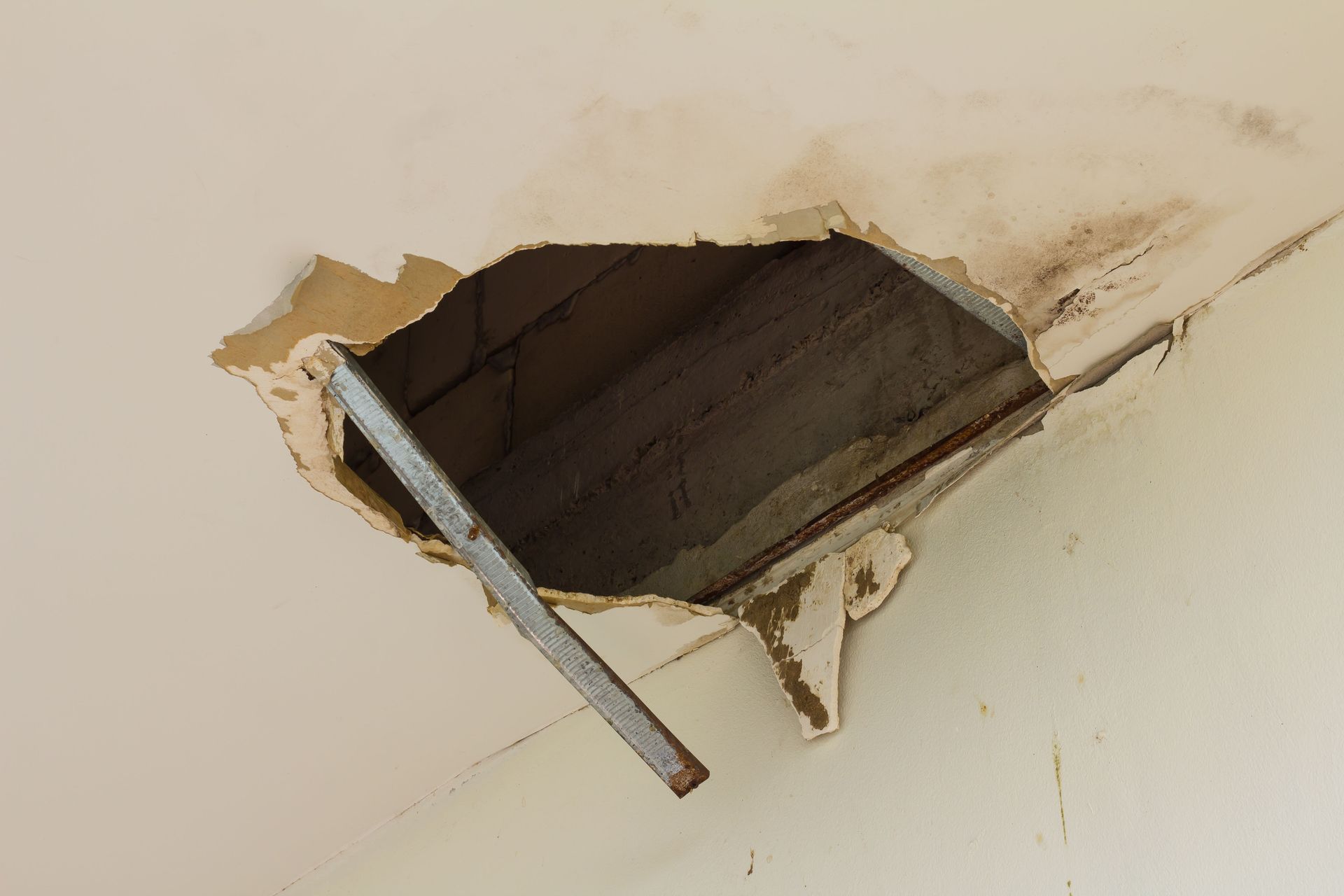
Engaging the services of a local roofing company for this assessment can provide reassurance that nothing is overlooked. Their expertise in identifying potential issues such as water damage, weak spots, or general wear can prevent future complications and ensure the roof can sustain solar panels with ease.
B. Understanding Load-Bearing Capacity
The load-bearing capacity of a roof directly impacts its ability to support solar panels. It’s essential to know the maximum load your roof can handle, including the weight of the panels and associated installation equipment. A professional analysis conducted by a local roofing company can provide accurate measurements and recommendations for reinforcement if necessary.
Understanding load-bearing capacity not only guarantees safety but also impacts the type of solar panels that can be installed. It helps in selecting the best solar solutions that match your roof's structural limitations, thereby safeguarding the investment's mechanical and financial viability.
Solar-ready roofs represent a pivotal step towards sustainable building practices, offering both ecological benefits and economic savings. Partnering with a local roofing company provides a robust framework to navigate the complexities of design, regulation, and installation. Their expertise secures compliance, optimizes energy capture, and enhances the structural integrity of your roof, ensuring a fruitful transition to solar solutions.
With the projection that 65% of commercial roofs will incorporate solar by 2030, as reported by WifiTalents, the urgency to prepare roofs for solar integration is imperative. By consulting with local experts, building owners can confidently take the informed steps necessary to embrace solar energy, paving the way for a sustainable and economically viable future. Reach out to Holt Roofing Company, Inc today to see how we can help you!